
The Dark Side of Stardom: A Superstar’s Childhood of Pain
From the outside, stardom looks like a dream—flashing cameras, sold-out arenas, red carpets, and adoring fans. But behind the polished smiles and perfectly curated social feeds, many superstars carry scars that predate fame. For some, the road to global recognition began not with privilege, but with pain.
The uncomfortable truth is this: extraordinary talent often grows in extraordinary pressure. And sometimes, the child who dazzles the world learned to shine as a survival strategy.
This is the darker side of stardom—the part rarely captured in headlines.
The Myth of the “Gifted” Childhood
When audiences see a superstar commanding a stage, they often imagine a childhood filled with encouragement, opportunity, and steady support. Yet many icons emerged from environments marked by instability, poverty, abuse, or relentless expectations.
Consider Michael Jackson, whose musical genius was evident early. Behind the brilliance, however, was a childhood shaped by strict discipline and alleged emotional and physical abuse. He once described feeling robbed of a normal youth—no sleepovers, no carefree afternoons—just rehearsals and performances.
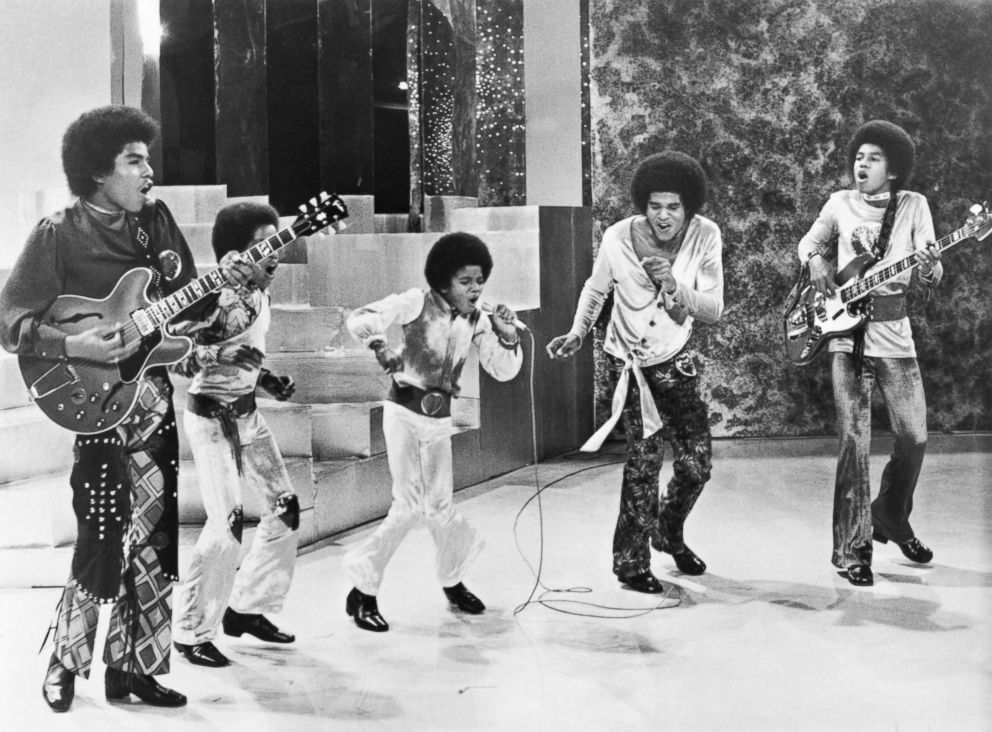
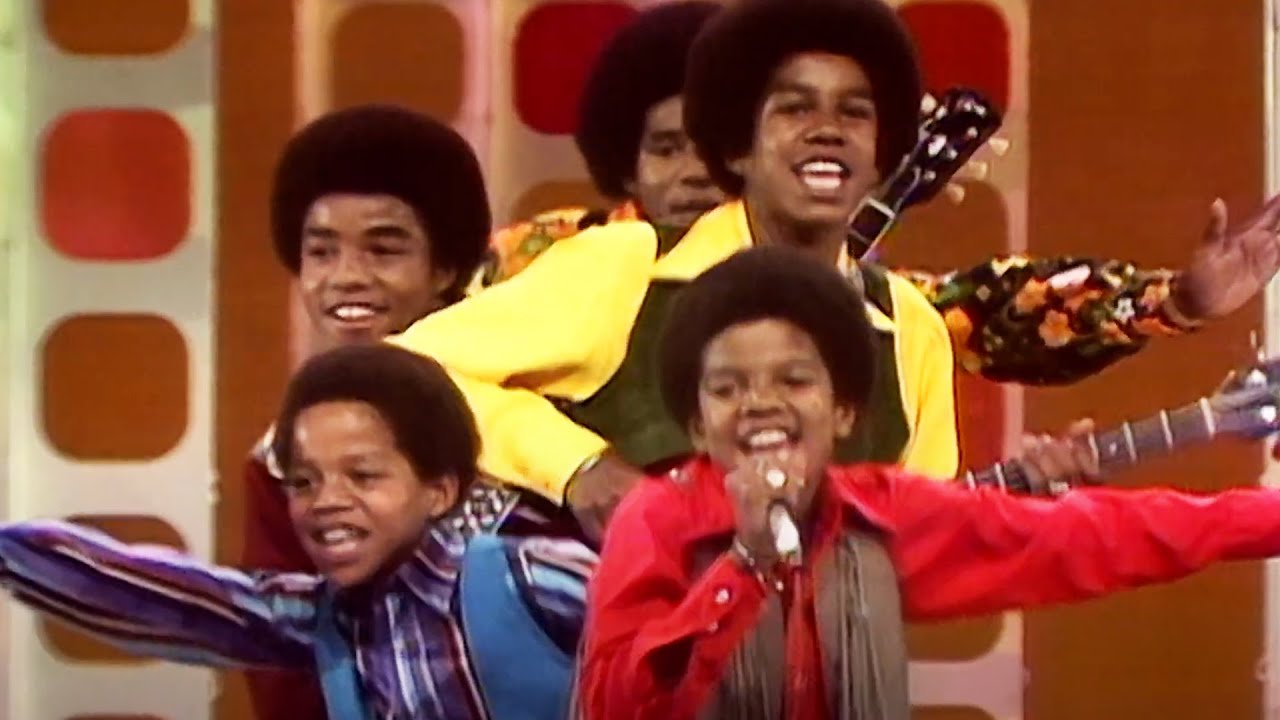


The world saw a prodigy. The child experienced pressure few adults could endure.
This pattern repeats across industries: early talent becomes family income, and childhood becomes a business model.
When Survival Becomes Drive
For many superstars, ambition is rooted not just in passion—but in survival.
Rihanna has spoken openly about growing up in a household affected by addiction and domestic turmoil. Music became both an escape and a path forward. The hunger to succeed wasn’t just artistic—it was protective.


Children raised in chaos often develop heightened awareness, resilience, and work ethic. Psychologists sometimes refer to this as “adaptive overachievement”—excelling as a way to gain control in unpredictable environments.
But the same traits that build careers can mask unhealed trauma.
The Cost of Early Responsibility
In many cases, young stars become providers before they become adults.
Eminem grew up in poverty and instability, often moving between homes. His lyrics later revealed anger, fear, and abandonment that shaped his worldview. Success didn’t erase the past; it amplified the emotional intensity that fueled his art.


When a child becomes “the hope” of a struggling family, pressure becomes constant. Mistakes feel catastrophic. Rest feels undeserved.
This burden can produce excellence—but it can also produce anxiety disorders, depression, and burnout later in life.
Stage Parents and Stolen Innocence
The entertainment industry has long struggled with the ethics of child stardom. Stories of overbearing parents, exploitative contracts, and emotional manipulation are not uncommon.
Serena Williams trained rigorously from a young age under the guidance of her father. While her story includes empowerment and achievement, it also highlights how early specialization demands sacrifice. Childhood play often becomes structured training.



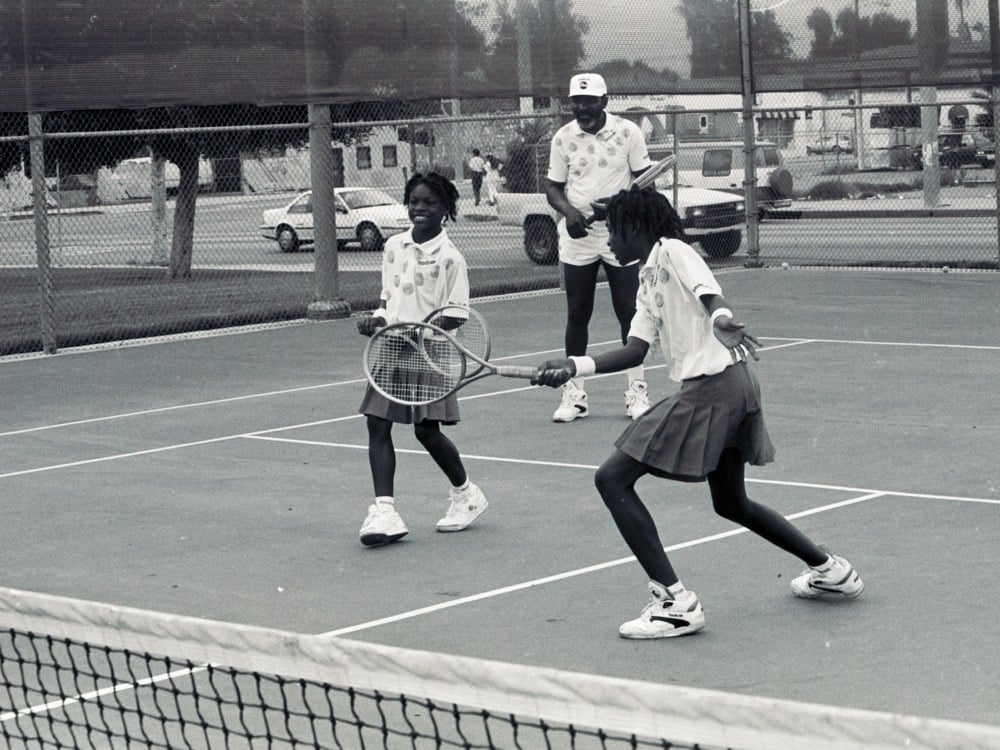
Not all driven parenting is abusive. But when identity becomes tied solely to performance, children may struggle later to separate self-worth from success.
Who are you when you’re not winning?
Who are you when the applause stops?
Trauma as Creative Fuel
There’s a romanticized idea that suffering produces greatness. And while adversity can deepen emotional range, it often leaves lingering wounds.
Lady Gaga has discussed experiencing trauma in her youth and how it shaped both her music and mental health journey. Her openness reveals a critical truth: pain can inform art, but it doesn’t vanish when the spotlight turns on.




Audiences connect deeply with vulnerability in lyrics and performances. But they rarely see the therapy sessions, the panic attacks backstage, or the isolation that can accompany fame.
Trauma doesn’t disappear when dreams come true. Sometimes it grows louder.
The Isolation of Being “Special”
Gifted children are often treated differently. Praised excessively. Expected to excel constantly. Protected from ordinary experiences.
Beyoncé has described intense training and focus from an early age. While her journey includes immense family support, it also reflects the narrowing of childhood into preparation for greatness.


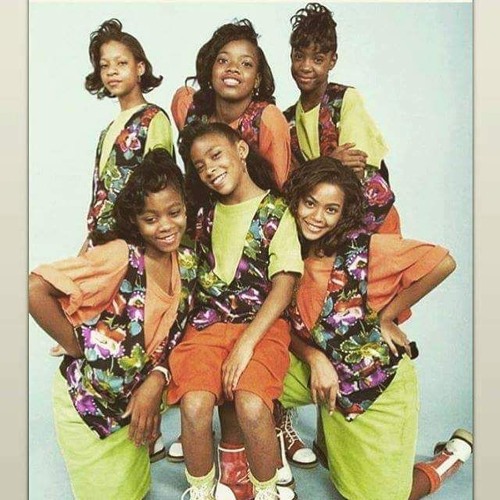

When children are labeled extraordinary, they may internalize a fear of being ordinary. Failure becomes terrifying. Vulnerability feels dangerous.
The world sees confidence. The individual may feel constant pressure to maintain an image.
Fame Doesn’t Heal the Past
There’s a common assumption that wealth and recognition solve childhood pain. In reality, fame often magnifies unresolved trauma.
Public scrutiny can:
Trigger old insecurities.
Reinforce feelings of inadequacy.
Create distrust.
Complicate personal relationships.
Many stars have spoken about loneliness at the top—surrounded by people, yet unsure who truly cares beyond the brand.
Childhood wounds don’t vanish when bank accounts grow. In some cases, the loss of privacy and relentless exposure make healing harder.
The Double-Edged Sword of Resilience
Resilience is often celebrated in superstar narratives. And rightly so. The ability to rise from hardship is powerful.
But resilience developed in childhood adversity can come with hidden costs:
Hyper-independence.
Difficulty trusting others.
Perfectionism.
Emotional suppression.
What looks like discipline may be fear of failure.
What looks like strength may be self-protection.
The same internal engine that drives someone to global success can also prevent them from slowing down long enough to heal.
Why These Stories Matter
Understanding the painful childhoods behind some superstars isn’t about diminishing their achievements. It’s about humanizing them.
It challenges the myth that fame equals fulfillment. It invites compassion over envy. And it reminds us that talent and trauma often coexist.
When fans consume celebrity culture without context, they may compare their lives unfairly. But when we recognize the full story, admiration becomes more nuanced.
Stardom is not a fairy tale. It’s a complex intersection of talent, opportunity, sacrifice, and sometimes suffering.
Breaking the Cycle
There is, however, hope in this narrative.
Many modern stars are actively working to break generational cycles—seeking therapy, setting boundaries, and advocating for mental health awareness. They’re redefining success beyond trophies and ticket sales.
By speaking openly about childhood pain, they:
Reduce stigma around trauma.
Encourage conversations about parenting pressures.
Advocate for better protections for child performers.
Model vulnerability for fans.
In doing so, they transform personal suffering into collective healing.
The Child Behind the Spotlight
At its core, the dark side of stardom is a story about children.
Children who:
Practiced while others played.
Performed while others rested.
Smiled while privately hurting.
It’s easy to idolize the finished product—the superstar commanding millions. Harder to imagine the small, anxious child navigating adult expectations.
Behind every global icon was once a young person trying to feel safe, valued, and loved.
And perhaps the real measure of success isn’t the number of awards on a shelf—but whether that inner child eventually finds peace.
Final Reflection
The next time a superstar takes the stage and commands the world’s attention, remember: brilliance often carries history.
Stardom can amplify talent. It can elevate voices. It can inspire millions.
But it cannot rewrite childhood.
Fame may change circumstances—but healing requires something quieter: support, self-awareness, and time.
And behind every dazzling spotlight, there may still be a child learning how to live beyond survival—and finally, simply be.


0 comments:
Enregistrer un commentaire