
What’s It Like Living With Rheumatoid Arthritis? The Challenges You Face
Living with rheumatoid arthritis isn’t just about “bad joints.”
It’s not the occasional ache after gardening.
It’s not the stiffness from sleeping wrong.
Rheumatoid arthritis—often called RA—is a chronic autoimmune disease that affects far more than most people realize. It doesn’t just attack joints. It can affect energy levels, mental health, work, relationships, and daily independence.
For those who live with it, rheumatoid arthritis is not something you “push through.” It’s something you learn to navigate—every single day.
Let’s take an honest look at what life with RA can really feel like, and the challenges people face behind the scenes.
What Is Rheumatoid Arthritis?
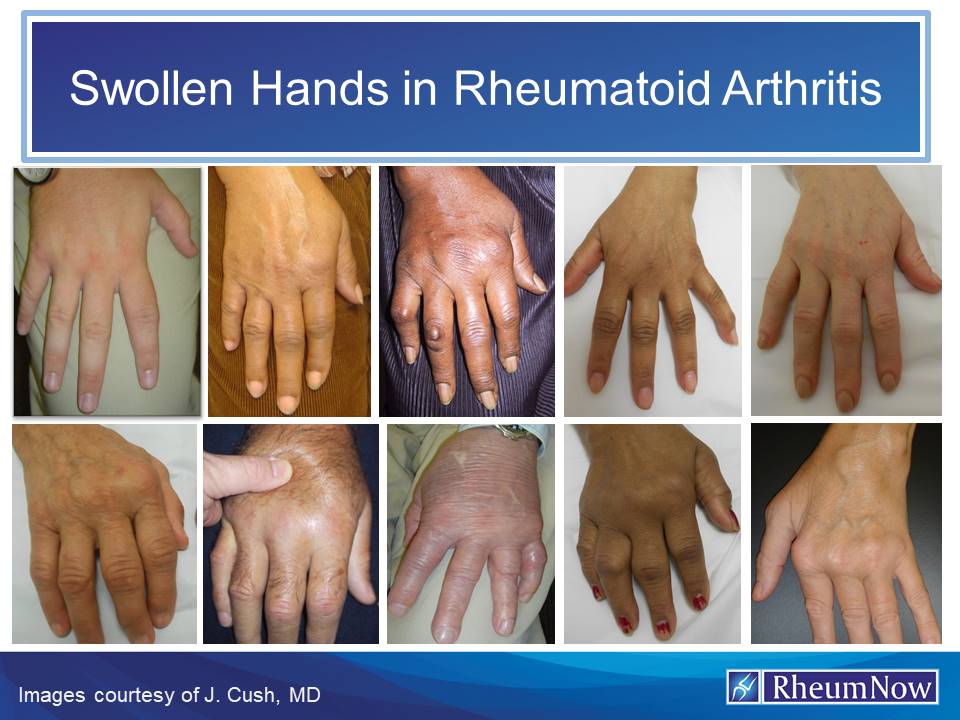
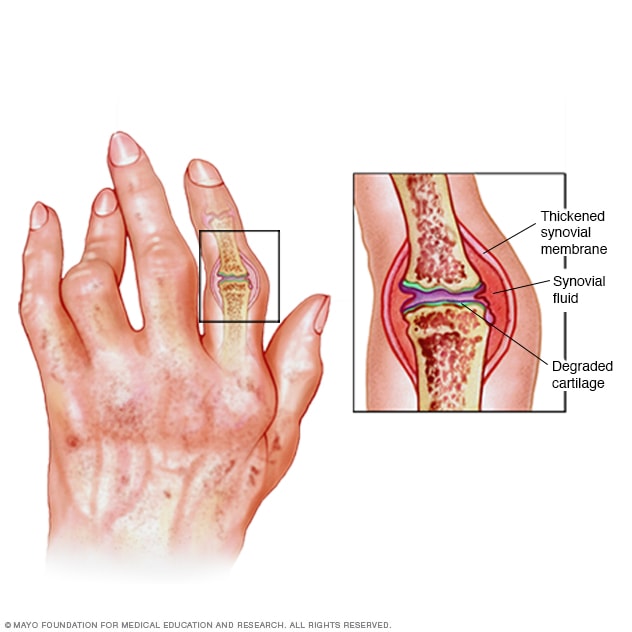

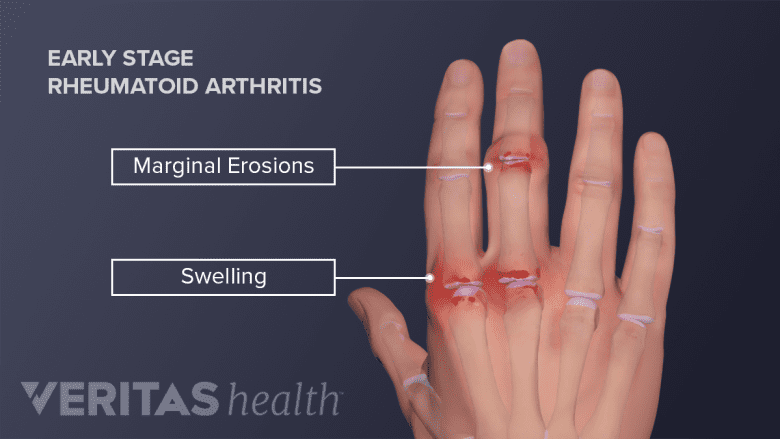
Rheumatoid arthritis is an autoimmune condition. That means the immune system, which is supposed to protect the body, mistakenly attacks healthy tissue—primarily the lining of the joints.
Over time, this can cause:
Pain
Swelling
Stiffness
Joint damage
Fatigue
Unlike osteoarthritis, which results from wear and tear, RA is driven by inflammation and immune dysfunction.
And it can begin at almost any age.
The Morning Battle
One of the most common and frustrating challenges is morning stiffness.
Many people with RA wake up feeling as though their joints have been glued in place overnight.
Hands may not close properly.
Knees may resist bending.
Ankles may feel locked.
This stiffness can last:
30 minutes
An hour
Sometimes several hours
Imagine starting every day needing extra time just to move comfortably.
Something as simple as brushing your teeth or buttoning a shirt can feel like a task that requires planning.
The Fatigue Nobody Sees



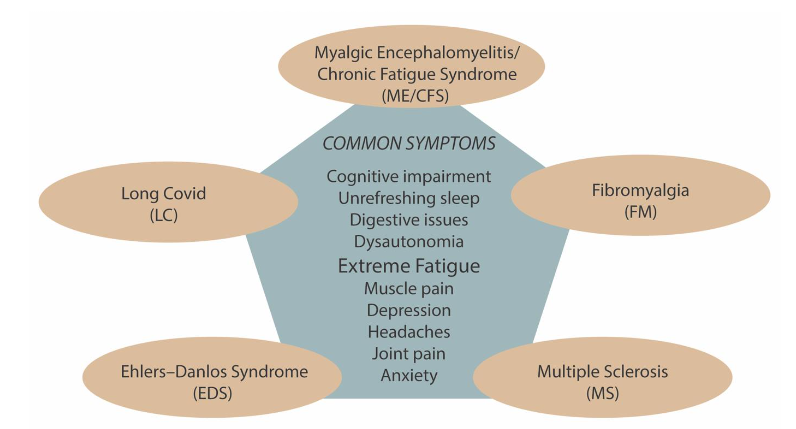
RA fatigue is not ordinary tiredness.
It’s a deep, bone-heavy exhaustion that doesn’t always improve with sleep. Inflammation affects the whole body, not just joints. The immune system is constantly active, which drains energy.
People often describe it as:
“Hitting a wall”
“Walking through mud”
“Carrying invisible weight”
The difficult part? Fatigue isn’t visible.
Friends and coworkers may see someone who “looks fine,” not realizing that simply getting through the workday required extraordinary effort.
Flare-Ups: The Unpredictable Storms
Living with RA means living with unpredictability.
There are good days—when pain is manageable and energy is decent.
And then there are flares.
A flare is a period when symptoms intensify. Joints become more swollen. Pain increases. Fatigue deepens.
Triggers can include:
Stress
Illness
Weather changes
Overexertion
Sometimes no clear cause at all
The unpredictability makes planning difficult. Social events may be canceled. Work commitments may become overwhelming.
This uncertainty can be emotionally draining.
Pain Beyond the Joints



RA commonly affects:
Hands
Wrists
Knees
Ankles
Feet
But it can also impact:
Shoulders
Elbows
Jaw
Neck
Pain is often symmetrical—affecting both sides of the body.
And because it’s inflammatory, it may feel warm, tender, and visibly swollen.
Over time, if not controlled, RA can lead to joint deformities. Modern treatments have dramatically reduced this risk, but the possibility still weighs heavily on many patients.
The Emotional Toll
Chronic illness changes more than the body.
It can change identity.
Someone who once felt strong and independent may struggle with needing help to open jars or carry groceries.
Frustration is common.
So is grief.
Grief for the body you used to have.
Grief for spontaneity.
Grief for energy levels that once felt limitless.
Anxiety about future mobility can linger in the background.
And because RA symptoms fluctuate, people may feel pressure to “prove” their illness is real on bad days.
Work and Financial Strain
RA often strikes people in their 30s, 40s, or 50s—prime working years.
Challenges can include:
Difficulty typing or writing
Trouble standing for long periods
Absences during flares
Fatigue affecting productivity
Some individuals reduce hours or change careers. Others may apply for workplace accommodations.
Medications—especially advanced biologic treatments—can also be expensive, adding financial stress to physical strain.
Relationships and Social Life




Explaining RA to loved ones can be challenging.
Because symptoms fluctuate, it can look like:
“You were fine yesterday.”
But chronic illness doesn’t follow a consistent pattern.
Partners may take on extra responsibilities.
Friends may not fully understand canceled plans.
Parents with RA may struggle to keep up with young children.
Support makes an enormous difference—but it requires open communication.
The Medication Journey
Modern treatment has transformed RA outcomes.
Options include:
Anti-inflammatory medications
Disease-modifying antirheumatic drugs (DMARDs)
Biologic therapies
Steroids during flares
The goal is remission—or at least low disease activity.
However, medications come with:
Regular monitoring
Potential side effects
Trial-and-error adjustments
Finding the right treatment plan can take time.
But early and consistent treatment significantly reduces long-term joint damage.
The Invisible Nature of RA
One of the hardest aspects is invisibility.
On many days, swelling may be subtle.
Pain is internal.
Fatigue is private.
People living with RA often hear:
“But you don’t look sick.”
And while meant kindly, that phrase can feel dismissive.
Invisible illness requires constant self-advocacy.
Small Victories Matter
Living with RA shifts perspective.
Small achievements become meaningful:
Getting through a flare
Completing a workweek
Taking a short walk
Cooking a meal without assistance
Adaptation becomes second nature.
People learn:
Energy budgeting
Prioritizing rest
Saying no when needed
Listening to their bodies
Resilience grows quietly.
What Helps
Managing RA typically involves a combination of:
Medication
Gentle exercise (like swimming or yoga)
Physical therapy
Stress management
Adequate sleep
Balanced nutrition
Movement, when appropriate, helps maintain joint flexibility.
Support groups—online or in person—also provide validation and shared understanding.
The Power of Early Diagnosis




Early diagnosis dramatically improves outcomes.
Symptoms to watch for:
Persistent joint swelling
Morning stiffness lasting over 30 minutes
Symmetrical joint pain
Fatigue with joint symptoms
A rheumatologist specializes in diagnosing and managing RA.
With early treatment, many people live active, fulfilling lives.
Living Forward, Not Just Coping
RA doesn’t erase ambition, personality, or dreams.
Many people with rheumatoid arthritis:
Build careers
Raise families
Travel
Pursue hobbies
Advocate for others
The condition requires adjustments—but it doesn’t define the entirety of a person’s identity.
Learning to live with RA often involves balancing realism with hope.
What People With RA Wish Others Knew
Pain levels can change daily.
Fatigue is real and overwhelming.
Canceling plans isn’t personal.
Support matters deeply.
Treatment has improved dramatically.
Most of all, they want understanding—not pity.
Final Thoughts
Living with rheumatoid arthritis is a daily negotiation between body and will.
There are hard mornings.
Unexpected flares.
Moments of frustration.
But there is also strength. Adaptation. Persistence.
RA is a serious autoimmune disease—but it is manageable. Advances in medicine have transformed what the future looks like for those diagnosed today.
If you or someone you love is facing rheumatoid arthritis, know this:
You are not alone.
You are not imagining your symptoms.
And with the right care and support, life can still be rich, meaningful, and deeply fulfilling.
Chronic illness may change the rhythm of life—but it does not take away its value.


0 comments:
Enregistrer un commentaire