
What This Everyday Hand Gesture Really Meant in the Past
We use hand gestures constantly—without thinking.
A quick wave across the street. A thumbs-up in a text message. A handshake before a meeting. A raised hand to ask a question. A subtle nod paired with a small flick of the fingers.
They feel harmless. Ordinary. Automatic.
But here’s the fascinating truth: many of the gestures we casually use every day once carried meanings that were far more serious, symbolic, or even dangerous.
What feels friendly now may have once signaled loyalty, defiance, submission—or even survival.
Let’s explore the hidden past behind some of today’s most common hand gestures and uncover what they originally meant.
👍 The Thumbs-Up

Today, a thumbs-up means:
Good job
I agree
All good
Like
It’s one of the most universally recognized positive gestures in the world.
But its origin story is much darker—and more complicated—than most people realize.
The Roman Arena Myth
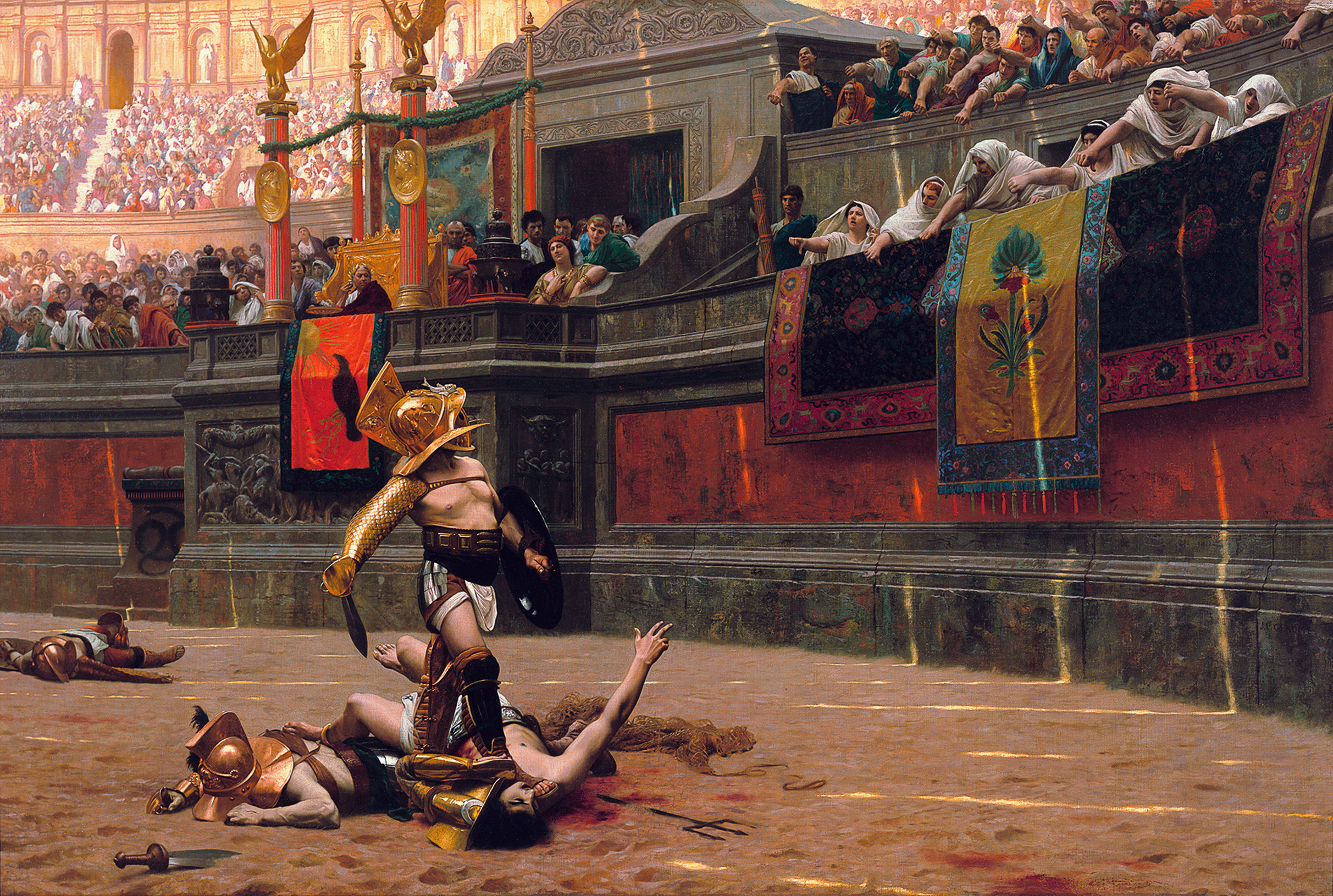
Many believe the thumbs-up dates back to ancient Rome, where crowds supposedly gave a “thumbs up” to spare a gladiator and “thumbs down” to condemn him.
In reality, historians think it wasn’t that simple.
The Latin phrase pollice verso (with a turned thumb) likely referred to a thumb extended outward—possibly symbolizing a drawn sword. A concealed thumb may have signaled mercy, symbolizing sheathing the blade.
So the meaning may have been reversed from what pop culture suggests.
The modern interpretation was popularized much later, especially through 19th-century paintings and Hollywood films.
A Military Signal
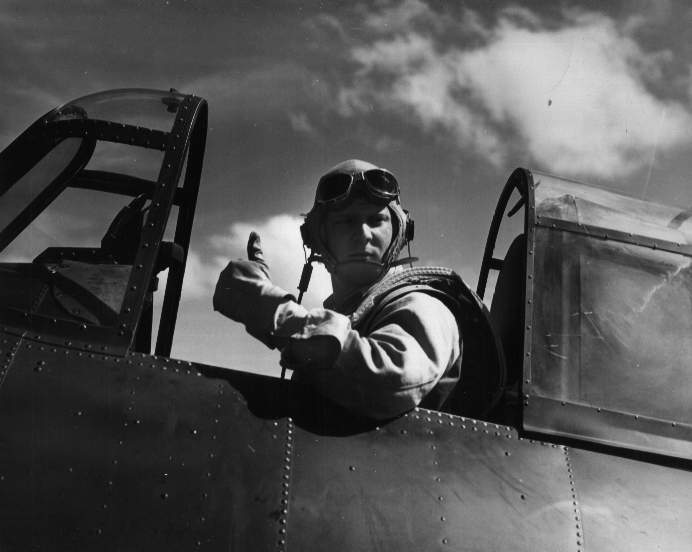
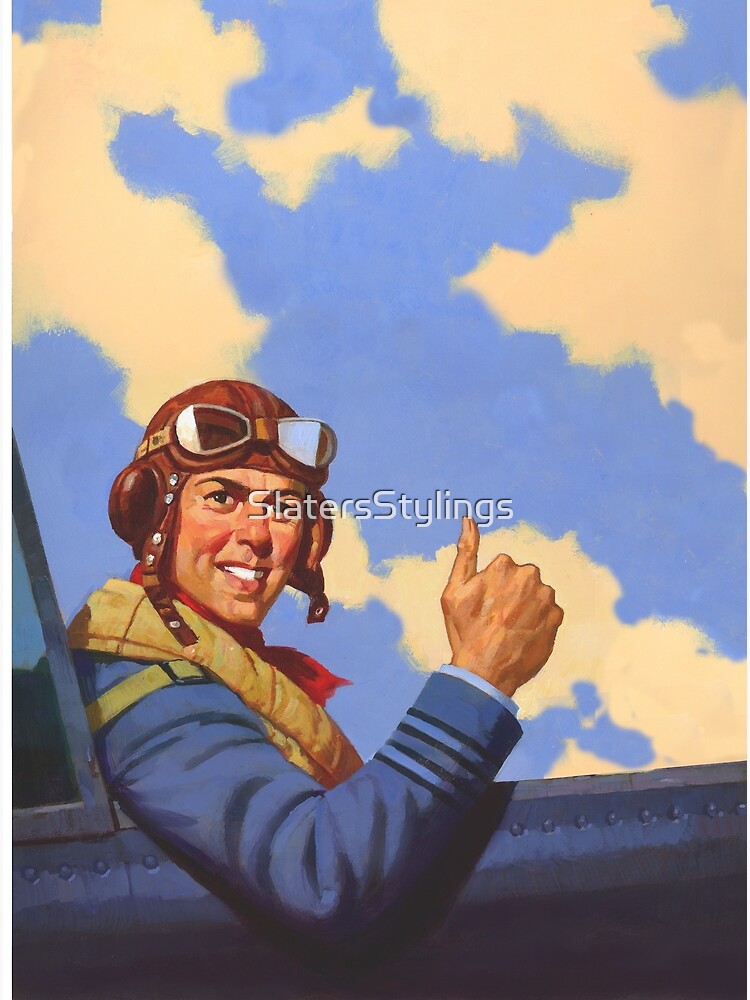
During World War II, American pilots used thumbs-up as a practical signal: “Ready to go.” It was a clear, visible, no-words-needed confirmation.
From there, it evolved into shorthand for approval and positivity.
A Cultural Warning
Even today, the thumbs-up isn’t universally positive. In some parts of the world, including areas of the Middle East and South Asia, it can be considered offensive—closer to an insult than encouragement.
One small gesture. Centuries of shifting meaning.
🤝 The Handshake


The handshake feels professional. Civil. Polite.
But its roots go back thousands of years—and they’re tied to trust and vulnerability.
Showing You’re Unarmed
In ancient Greece, shaking hands symbolized peace. Artwork from the 5th century BCE shows figures clasping hands to represent alliance.
The deeper message?
“I am not holding a weapon.”
By extending your right hand (the weapon hand), you proved you weren’t armed. The shaking motion may have ensured nothing was hidden up your sleeve.
Medieval Proof of Peace
During the Middle Ages, knights would clasp forearms instead of hands to check for concealed daggers.
Physical contact meant safety.
The handshake was not just a greeting—it was a mini security check.
Today’s Silent Language
Today, we still read meaning into handshakes:
Firm = confident
Weak = uncertain
Prolonged = dominant
Avoided = distrustful
It’s remarkable how a gesture born from checking for weapons still signals trust—or lack of it.
✌️ The Peace Sign (Two Fingers Raised)


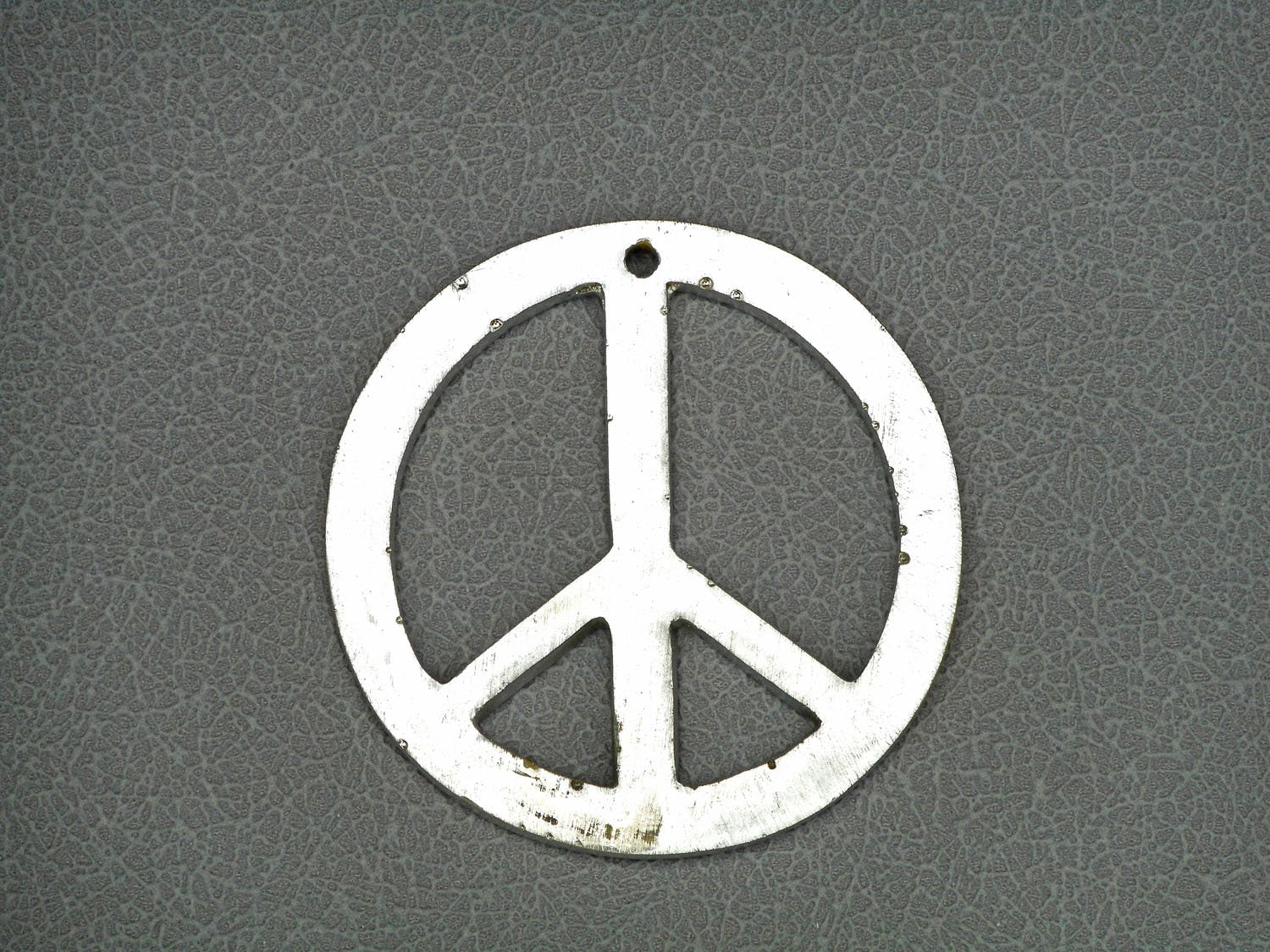
Raise two fingers and you might mean:
Peace
Victory
“Two”
A quick selfie pose
But this gesture has carried dramatically different meanings depending on time and location.
Victory in Wartime
During World War II, British Prime Minister Winston Churchill popularized the “V for Victory” sign.
Palm outward meant triumph over Nazi Germany.
It became a symbol of resilience and hope.
The Hippie Movement
In the 1960s, anti-war protesters adopted the same gesture—but reframed it as a symbol of peace.
The meaning shifted from military victory to anti-war unity.
Same fingers. Different philosophy.
A Not-So-Peaceful Version
In the UK and some Commonwealth countries, flashing the V sign with the palm facing inward is considered an insult—similar to flipping someone off.
Orientation matters.
History matters.
Context matters.
👋 The Wave
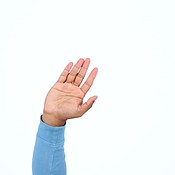
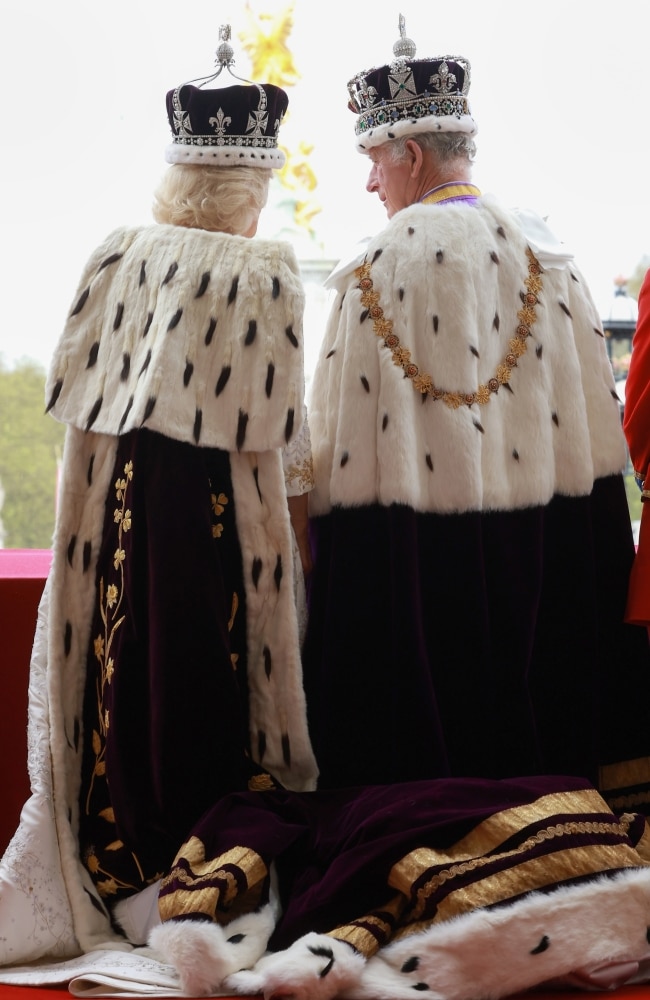

A wave seems harmless—a simple greeting or goodbye.
But even this gesture has roots in vulnerability.
Raising your open hand shows:
No weapon
No threat
Open intention
It’s a distant cousin of the handshake, signaling peaceful approach.
In medieval courts, monarchs waving to crowds symbolized benevolent authority. The raised open palm said, “I come in peace.”
Today, we wave from cars, across rooms, or in video calls.
But subconsciously, we still read it as safety.
🤘 The “Horns” Gesture
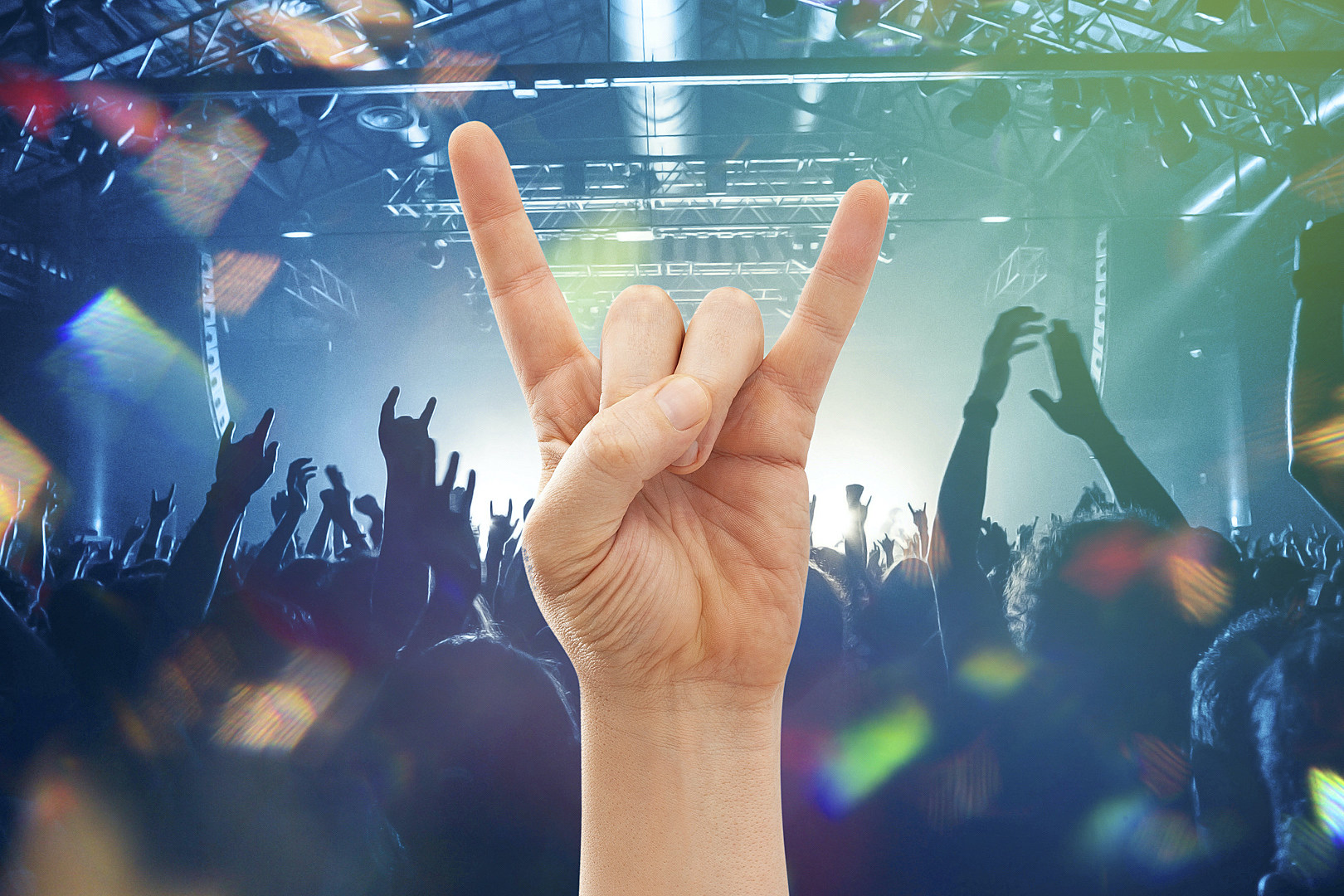
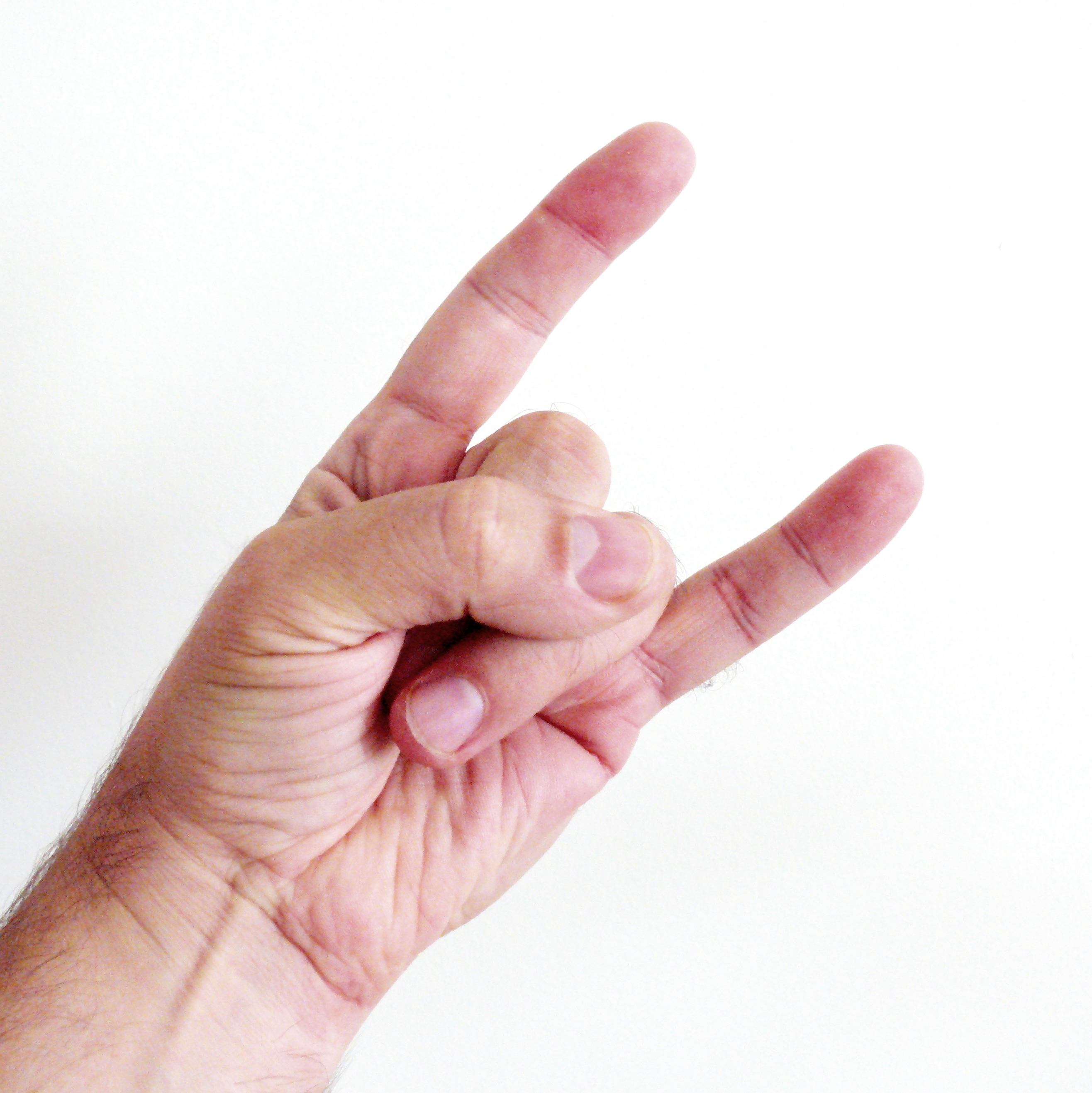


Index and pinky extended. Middle and ring fingers folded.
At a rock concert, it means energy. Rebellion. Rock and roll.
The gesture became popular in heavy metal culture thanks to Ronnie James Dio in the 1970s.
But its roots are much older.
The “Mano Cornuta”
In Italy, this sign—called mano cornuta—was historically used to ward off the “evil eye.”
It was protective, not musical.
In some contexts, pointing the horns at someone implied they were being cheated on—a serious insult.
Again, meaning shifts with culture.
What once protected against curses now fuels guitar solos.
🖐️ The Raised Hand
Whether in a classroom or a courtroom, raising your hand signals:
“I request permission to speak.”
But historically, raised hands often symbolized oath-taking or surrender.
Oaths and Allegiance
Raising your right hand while swearing an oath dates back centuries. The open palm demonstrated honesty and submission to authority.
It meant: I swear truthfully.
Surrender
In battle, soldiers raised hands to signal surrender—exposing themselves fully to show they posed no threat.
The vulnerability remains embedded in the gesture.
Even today, when you raise your hand in class, you’re acknowledging structure and authority.
It’s polite submission disguised as participation.
Why Gestures Change Meaning
So why do hand gestures evolve?
Because gestures are living language.
They shift based on:
Politics
Religion
War
Media
Pop culture
Migration
A symbol created in fear may later represent freedom.
A signal of war may become a sign of peace.
And something sacred may become casual.
Gestures travel across borders faster than words. But they don’t always keep the same definition.
The Psychology Behind Hand Signals
Humans relied on nonverbal communication long before written language.
Gestures are:
Immediate
Visual
Instinctive
Emotional
They bypass translation.
That’s why they’re powerful.
But that’s also why they can be misunderstood.
A thumbs-up emoji might mean “great” to you—and something deeply offensive to someone else.
History lingers beneath our fingertips.
The Invisible Weight of Everyday Movements
Most of us don’t think twice when we:
Shake hands
Flash a peace sign
Give a thumbs-up
Wave hello
Raise our hand
But every one of those gestures once carried life-or-death implications.
Trust.
Safety.
Submission.
Victory.
Protection.
They were signals in a world where misunderstanding could mean violence.
Today, they feel small.
But they’re echoes of ancient survival strategies.
What This Says About Us
Here’s the most fascinating part:
We may think we’ve evolved beyond primitive signaling.
But our hands still tell stories our mouths don’t.
We still:
Size people up through handshakes.
Signal confidence through gesture.
Interpret open palms as honesty.
Feel uneasy at certain finger signs.
Our brains are wired to read hands.
Because for most of human history, hands carried weapons.
Or they didn’t.
And that difference mattered.
Final Thoughts
The next time you casually give someone a thumbs-up, flash a peace sign in a photo, or reach out for a handshake, pause for a second.
You’re not just making a modern gesture.
You’re participating in thousands of years of human communication.
What feels simple now was once charged with meaning—sometimes dangerous, sometimes sacred, sometimes political.
Hand gestures are living fossils.
And every time we use them, we carry a piece of history in motion.
So go ahead—wave, shake, signal, point.
Just know your hands remember more than you think.


0 comments:
Enregistrer un commentaire