
Found This Hollow Ceramic Bird in a Box of Old Kitchen Stuff. It Has a Hole in the Beak and the Bottom — What Is It?
There’s something uniquely thrilling about rummaging through a box of old kitchen items. Between the chipped teacups and mystery utensils, you might find a piece that stops you in your tracks — like a hollow ceramic bird with a hole in its beak and another in the bottom. Decorative? Musical? Some long-forgotten kitchen tool?
If you’ve stumbled across something like this, you’re not alone. These charming little ceramic birds have puzzled many curious finders over the years. The good news? They usually have a delightful and practical purpose — and sometimes more than one.
Let’s explore what your ceramic bird might be, how it was used, and how to tell which kind you have.
1. The Most Common Answer: It’s a Pie Bird (Also Called a Pie Vent)
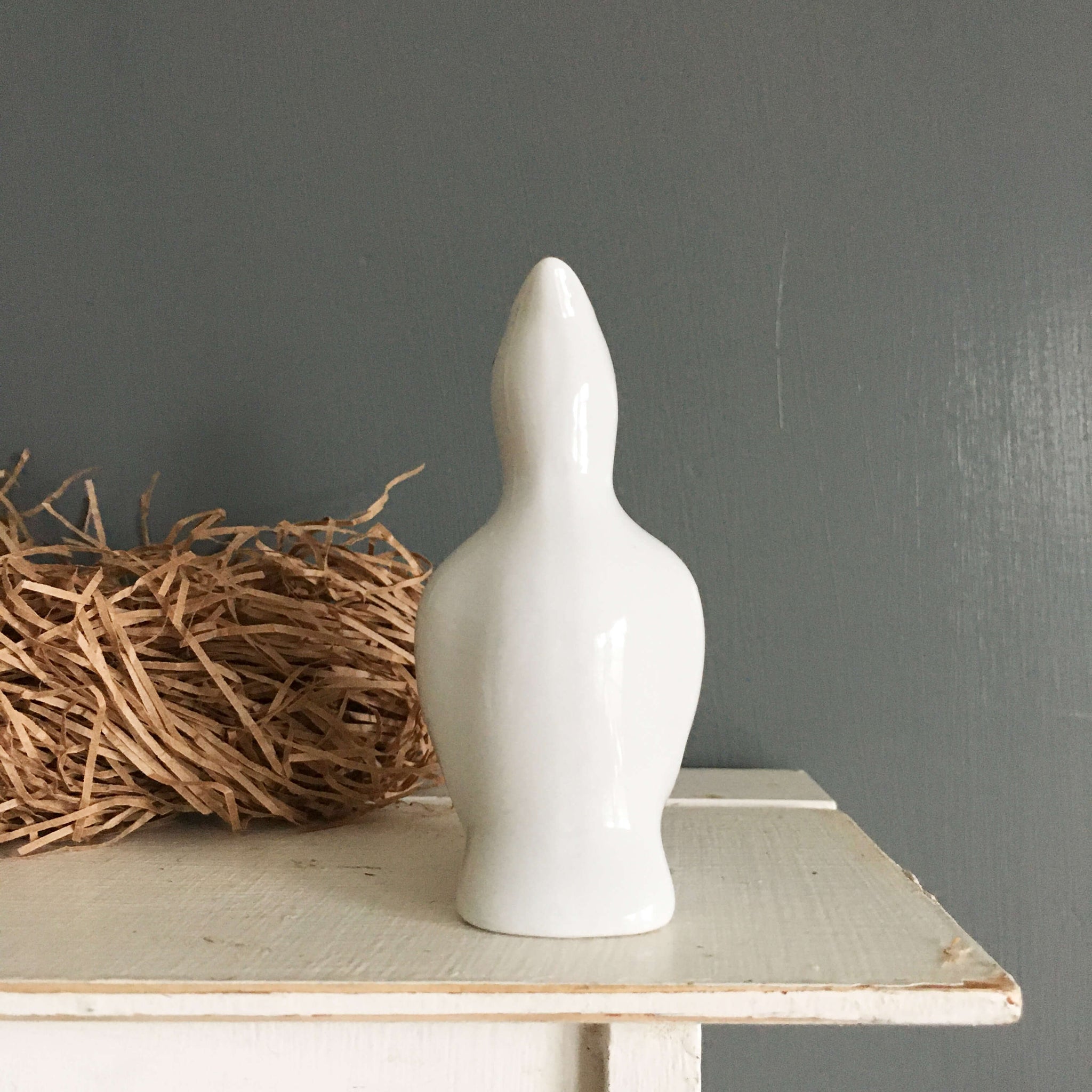


If your ceramic bird is hollow with:
A hole in the beak
An opening in the bottom
A size small enough to sit inside a pie
There’s a very good chance it’s a pie bird, also known as a pie vent or pie funnel.
What Is a Pie Bird?
A pie bird is a baking tool that dates back to the 19th century in Britain and later became popular in America. Its job is simple but clever: it vents steam from inside a double-crust pie while it bakes.
Before pie birds, bakers would cut slits in the top crust. But that didn’t always prevent soggy fillings or crust blowouts. Enter the ceramic bird.
How It Works
The bird is placed upright in the center of the pie filling.
The top crust is draped over it.
The bird’s head pokes through a small hole in the crust.
Steam rises from the filling and escapes through the hollow body and out the beak.
This prevents:
Boiling over
Burst crusts
Soggy tops
And let’s be honest — it looks adorable sitting in the center of a bubbling pie.
Why a Bird?
Some say it’s a nod to the nursery rhyme “Four and Twenty Blackbirds.” Others think the shape simply made it easier to identify the vent opening once the crust was placed on top. Either way, it became a beloved kitchen tradition.
If your bird is heat-safe ceramic and about 3–5 inches tall, this is likely what you’ve found.
2. It Might Be a Whistle (Yes, Really)


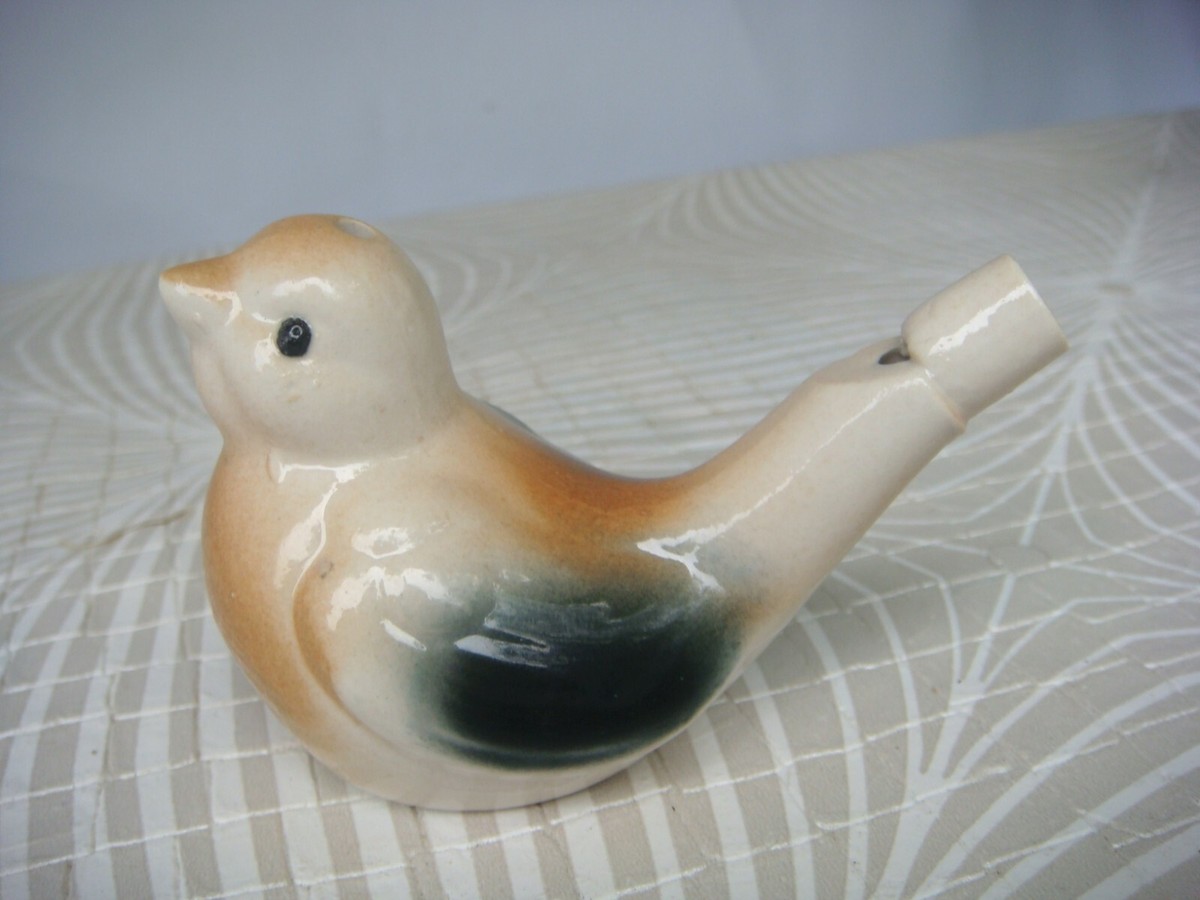

If your bird:
Makes a sound when you blow into it
Has a small chamber inside
Possibly changes tone when filled with water
Then you might have a ceramic bird whistle, sometimes called a water whistle or small ocarina.
How These Work
These whistles are designed so that when you blow into a hole (sometimes the tail or underside), air travels through the hollow chamber and exits through the beak.
Some versions:
Produce a chirping sound
Gurgle when partially filled with water
Mimic bird calls
They’ve been made for centuries across many cultures — from folk art traditions in Europe to clay whistle toys in Latin America and Asia.
If yours produces sound when you blow gently into one of the openings, it’s likely a decorative whistle rather than a baking tool.
3. It Could Be a Liquid Pourer or Oil Drizzler

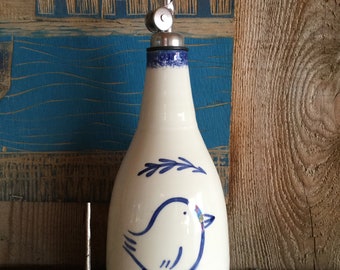
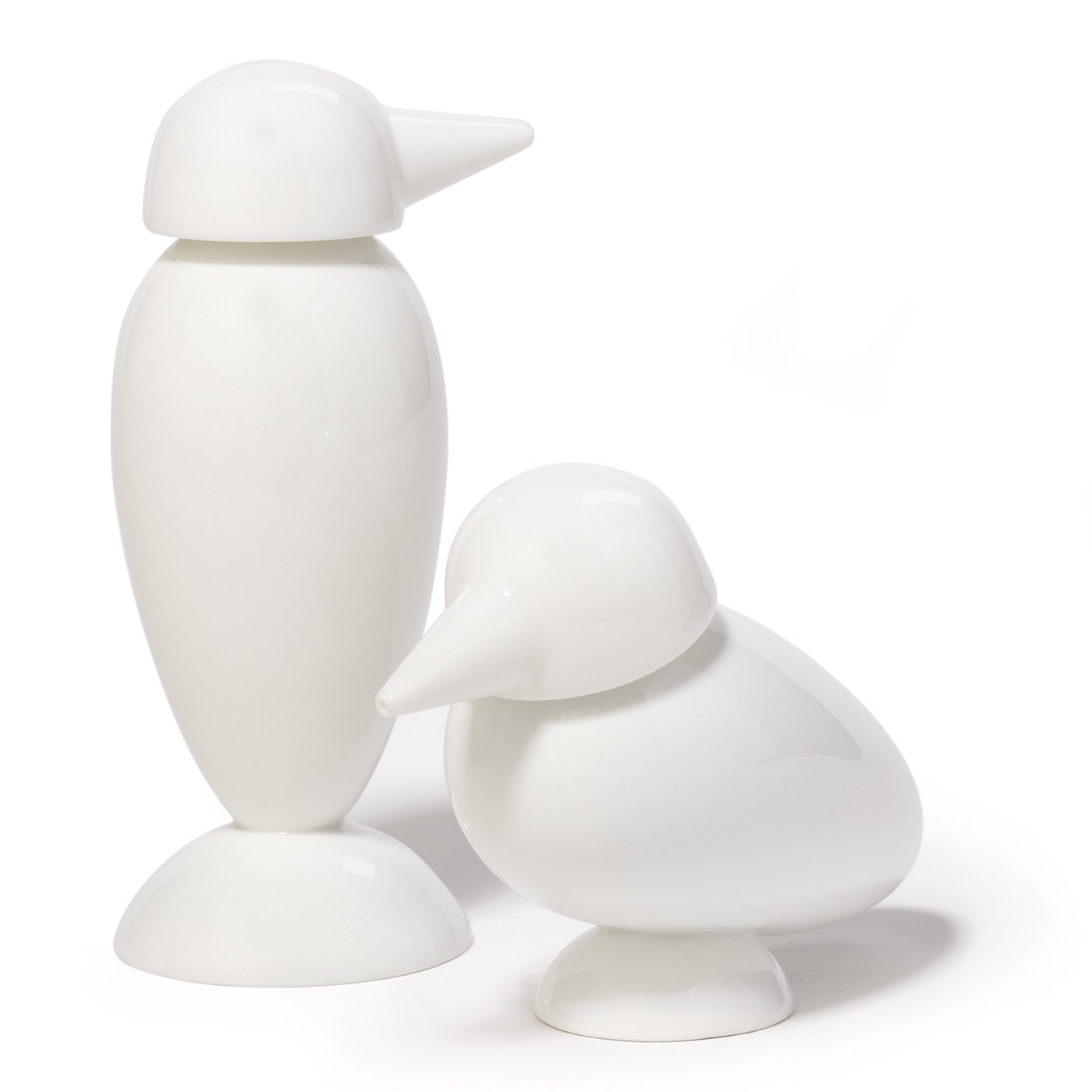
Another possibility? A small oil or vinegar pourer.
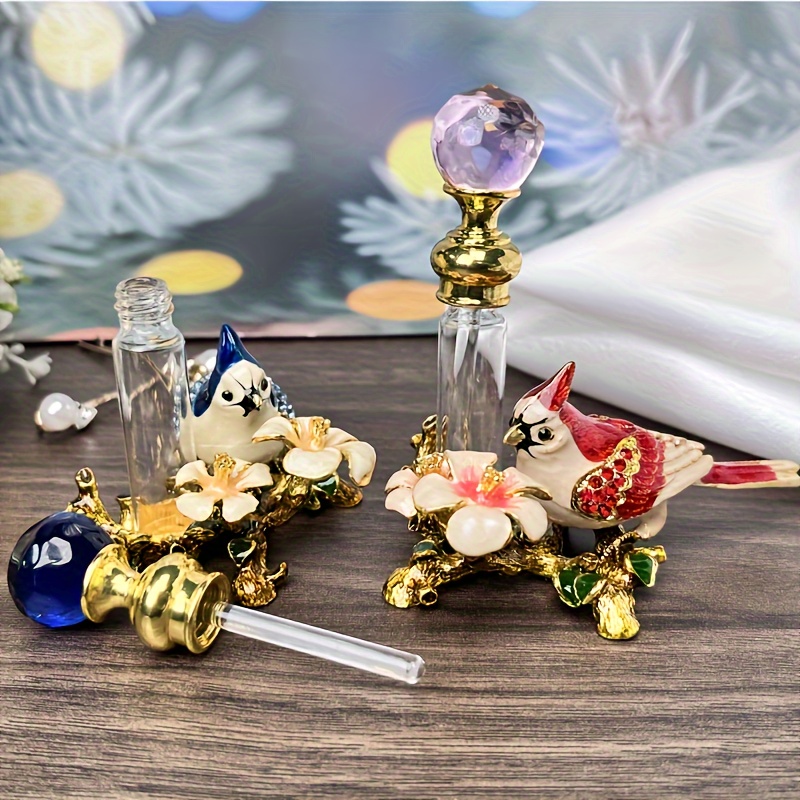
In some kitchen sets — especially mid-century European ones — ceramic animals were designed as novelty dispensers. Liquid would be poured into the bottom opening, and the beak would function as a spout.
These typically:
Have a larger bottom opening
May include a cork or stopper
Have a smooth pouring beak
If the ceramic feels glazed inside and looks food-safe, this could be its purpose.
4. A Pottery Humidifier or Radiator Ornament?
In some older homes, hollow ceramic objects with small openings were used as decorative humidifiers. Water would be added, and as it slowly evaporated near heat (like a radiator), it would add moisture to dry air.
Bird shapes were common decorative motifs.
However, these are usually:
Larger than pie birds
Designed to hang or sit near heat sources
More decorative than functional kitchenware
5. How to Tell Which One You Have
Here’s a quick checklist to narrow it down:
It’s likely a pie bird if:
It stands upright
It’s heat-resistant ceramic
The beak hole is small and straight through
The bottom is fully open
It’s about palm-sized
It’s likely a whistle if:
It produces sound when you blow
There are multiple small air holes
It changes sound with water inside
It’s likely a pourer if:
The interior is glazed and smooth
The beak is shaped like a spout
There’s a cork or stopper mark
The Charm of Mystery Kitchen Finds
Part of the magic of objects like this is that they connect us to everyday life in another era. Before electric vents, silicone tools, and modern bakeware, people relied on clever little ceramic inventions to solve simple problems.
A pie bird, for instance, wasn’t just practical — it added personality to baking. Families might have had a favorite one passed down for generations. Some collectors today even specialize in antique pie birds, with certain designs fetching impressive prices.
Whistles, too, were often handmade by artisans and sold at markets or fairs. They weren’t just toys — they were small pieces of craft culture.
And novelty pourers? They reflect a time when even the olive oil container could have personality.
What Should You Do With It?
Once you identify it, you have options:
If It’s a Pie Bird
Try using it!
Make a double-crust apple pie and let the bird vent the steam the old-fashioned way.
If It’s a Whistle
Clean it thoroughly and test it gently. It might still chirp after all these years.
If It’s Decorative
Display it. Vintage ceramic birds have timeless charm.
A Note on Value
Most ceramic pie birds and novelty whistles are not extremely rare, but some antique versions can be collectible depending on:
Maker’s mark
Age
Condition
Unique design
If you’re curious about value:
Check for a stamp or marking on the bottom
Compare with online vintage marketplaces
Consult an antique dealer if it seems particularly old
Why These Objects Keep Appearing in Old Kitchen Boxes
During the late 19th and early to mid-20th centuries, whimsical kitchen tools were common. Manufacturers produced everything from animal-shaped molds to novelty salt shakers.
When homes were cleaned out or estates sorted decades later, these small objects often ended up in “miscellaneous kitchen” boxes — separated from their original purpose and context.
That’s how they become delightful mysteries today.
Final Thoughts
That hollow ceramic bird with a hole in the beak and bottom is almost certainly not random. It was made with intention — either to vent steam from a pie, sing like a tiny whistle, pour oil at the dinner table, or add charm to a home.
The most likely answer? A pie bird — a charming relic from a time when even practical baking tools were designed with personality.
Next time you bake, imagine someone decades ago placing that same little bird in the center of a bubbling fruit pie, watching steam escape from its beak, and smiling at the whimsy of it all.
Sometimes the smallest objects carry the sweetest stories.
If you’d like, you can describe its size, markings, or share a photo, and I can help you narrow it down even further.


0 comments:
Enregistrer un commentaire