
Boiled Eggs vs. Fried Eggs: Which Is Better for Breakfast?
Breakfast debates can get surprisingly intense.
Coffee or tea?
Sweet or savory?
Oatmeal or toast?
But few morning arguments are as classic — or as delicious — as this one:
Boiled eggs or fried eggs?
At first glance, the difference seems simple. One is cooked in water. The other is cooked in a pan, often with oil or butter. But once you dig deeper, the comparison becomes far more interesting.
From nutrition and calorie content to texture, satiety, and even heart health, the way you cook your eggs can subtly change their impact on your body.
So which is truly better for breakfast?
Let’s crack into it.
The Nutritional Foundation: Eggs in General
Before comparing cooking methods, it’s important to understand what makes eggs such a breakfast staple in the first place.
Eggs are:
High-quality complete protein
Rich in vitamins like B12, D, and A
Packed with minerals such as selenium and phosphorus
A source of choline (essential for brain function)
Naturally low in carbohydrates
One large egg contains roughly:
70–80 calories
6–7 grams of protein
5 grams of fat
Minimal carbohydrates
Whether boiled or fried, the base nutrition of the egg itself remains largely the same.
The real difference lies in preparation.
Boiled Eggs: Clean, Simple, Efficient
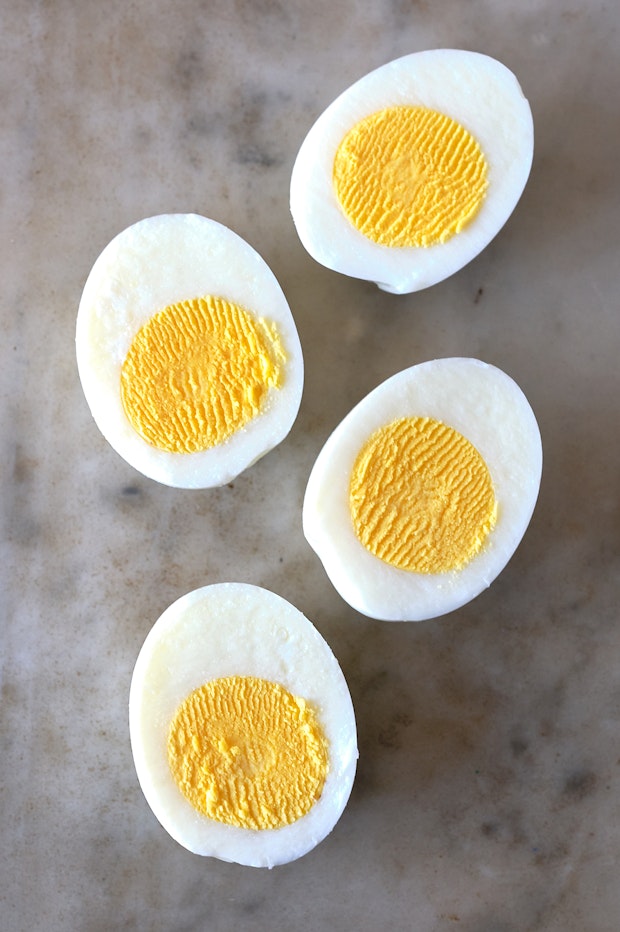

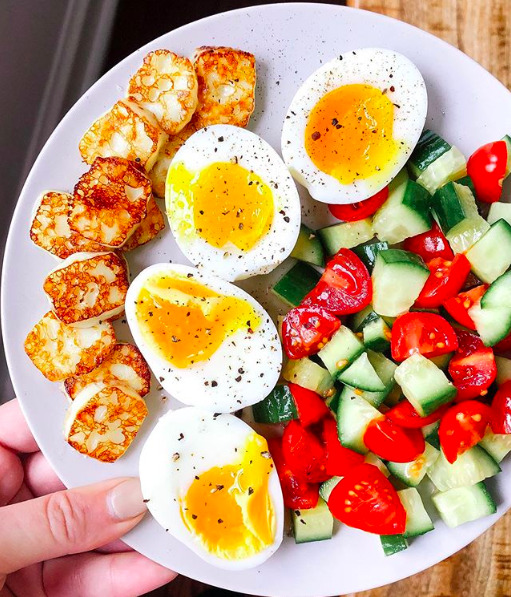

Boiled eggs are as straightforward as it gets.
No oil.
No butter.
No pan.
Just water and heat.
Nutritional Benefits
Because boiled eggs require no added fat, they remain close to their natural calorie count. That means:
Fewer total calories
No added saturated or trans fats
Lower overall fat content (compared to oil-fried versions)
For someone focused on weight management or reducing dietary fat intake, boiled eggs often come out ahead.
Protein Retention
Boiling preserves protein content extremely well. Since eggs are gently cooked in water, there’s minimal nutrient degradation.
Soft-boiled eggs, in particular, may retain slightly more heat-sensitive nutrients compared to high-temperature frying.
Portion Control
Boiled eggs are pre-portioned. One egg equals one serving.
It’s easier to avoid overeating when there’s no added oil or extra cooking ingredients.
Fried Eggs: Flavor and Satisfaction


Fried eggs bring something boiled eggs often don’t:
Texture and richness.
The crispy edges.
The silky yolk.
The aroma of butter hitting a warm pan.
For many, fried eggs feel more indulgent and satisfying.
Added Fats: The Game Changer
Here’s where the nutritional difference begins.
When you fry an egg, you typically use:
Butter
Olive oil
Vegetable oil
Cooking spray
Even a single teaspoon of oil adds around 40–45 extra calories.
If butter is used, saturated fat increases.
That doesn’t automatically make fried eggs “bad.” It simply changes the nutritional profile.
Healthy Fat Options Matter
If you fry your eggs in olive oil, you’re adding heart-healthy monounsaturated fats.
If you use excessive butter or heavily processed oils, you increase saturated and potentially inflammatory fats.
So not all fried eggs are created equal.
Calorie Comparison
Let’s break it down simply:
One large boiled egg:
~70–80 calories
One large fried egg (cooked in 1 tsp oil):
~110–125 calories
The difference adds up, especially if you eat multiple eggs daily.
For someone counting calories carefully, boiled eggs provide more protein per calorie.
But for someone prioritizing satiety and flavor, fried eggs may feel more filling.
Cholesterol Concerns: Does Cooking Method Matter?
Eggs naturally contain dietary cholesterol — about 180–190 mg per large egg.
However, research over the past decade has shown that for most healthy individuals, dietary cholesterol does not significantly impact blood cholesterol levels the way once believed.
The cooking method itself doesn’t change cholesterol content much.
What matters more is:
How much saturated fat is added during frying
What the eggs are eaten with (bacon, sausage, refined carbs)
In short:
Boiled eggs = no added fat
Fried eggs = potential added fat
That’s where heart-health differences may emerge.
Digestibility and Satiety
Interestingly, the cooking method can affect how full you feel.
Boiled Eggs
Firm texture
Slower to eat
May promote mindful consumption
Hard-boiled eggs are portable and often eaten without heavy side dishes.
Fried Eggs
Rich mouthfeel
Often paired with toast or breakfast meats
Can increase overall meal calorie intake
The runny yolk in fried eggs may feel more satisfying, but it often encourages dipping bread — increasing carbohydrate intake.
So while fried eggs may feel more indulgent, they often come with extras.
Cooking Temperature and Nutrient Impact
High heat can oxidize cholesterol and fats.
Frying at very high temperatures — especially until the edges are crispy and browned — may create oxidized compounds that aren’t ideal for long-term health.
Boiling is a gentler cooking method.
Lower temperature exposure = less oxidation risk.
This gives boiled eggs a slight advantage from a purely biochemical standpoint.
Weight Loss Perspective
If your goal is weight loss or fat reduction:
Boiled eggs are typically the better option.
Why?
No added oils
Lower calorie density
Easy portion control
High protein keeps you full
They’re also easier to prepare in bulk, making them a convenient meal-prep option.
However, if fried eggs prevent you from reaching for sugary breakfast foods, they may still be a healthier choice overall.
Context matters.
Muscle Building Perspective
If you’re focused on muscle growth:
Both boiled and fried eggs provide the same protein quality.
But adding healthy fats (like olive oil) to fried eggs can increase calorie intake — which may support muscle-building goals if you need a caloric surplus.
So for athletes or highly active individuals, fried eggs cooked in healthy oil can be beneficial.
Heart Health Considerations
For those monitoring heart health:
Limit saturated fat
Avoid excessive butter
Consider olive oil if frying
Keep portions moderate
Boiled eggs naturally align with heart-friendly eating patterns because they contain no added fats.
That said, moderation remains key.
Convenience and Lifestyle
Boiled Eggs Win For:
Meal prep
Grab-and-go breakfasts
Office snacks
Travel
You can boil a dozen eggs and store them in the fridge for days.
Fried Eggs Win For:
Fresh, hot breakfast experience
Comfort food cravings
Weekend brunch vibes
They’re less portable but often more enjoyable in the moment.
The Psychological Factor
Food satisfaction matters.
If you eat boiled eggs but feel deprived, you may overcompensate later.
If fried eggs make you feel satisfied and prevent overeating, they may actually support better dietary balance.
Sustainability beats perfection.
So… Which Is Better?
Here’s the honest answer:
It depends on your goal.
Choose boiled eggs if you:
Are reducing calorie intake
Want lower fat consumption
Prefer clean, simple meals
Meal prep frequently
Choose fried eggs if you:
Want enhanced flavor
Need extra calories
Use healthy cooking oils
Prioritize satiety and enjoyment
From a purely nutritional standpoint, boiled eggs have a slight edge because they avoid added fats and high-heat cooking.
But from a lifestyle standpoint, the “better” choice is the one you’ll stick with consistently.
A Balanced Approach
You don’t have to choose forever.
You can:
Eat boiled eggs on busy weekdays
Enjoy fried eggs on relaxed weekends
Use minimal olive oil when frying
Avoid overcooking
Nutrition isn’t about rigid rules.
It’s about patterns.
Final Thoughts
Eggs are one of the most nutrient-dense, affordable, and versatile breakfast foods available.
Whether boiled or fried, they offer:
High-quality protein
Essential vitamins
Long-lasting fullness
Boiled eggs are cleaner in terms of calories and fat.
Fried eggs are richer in flavor and satisfaction.
Neither is inherently “bad.”
The real difference lies in what you add — and how often.
So tomorrow morning, when you crack that egg into water or onto a pan, remember:
The better breakfast isn’t just about cooking method.
It’s about intention.
And whichever way you cook them, eggs remain one of the smartest ways to start your day. 🍳


0 comments:
Enregistrer un commentaire