
Black – Deep-Seated Fears and Emotional Burdens

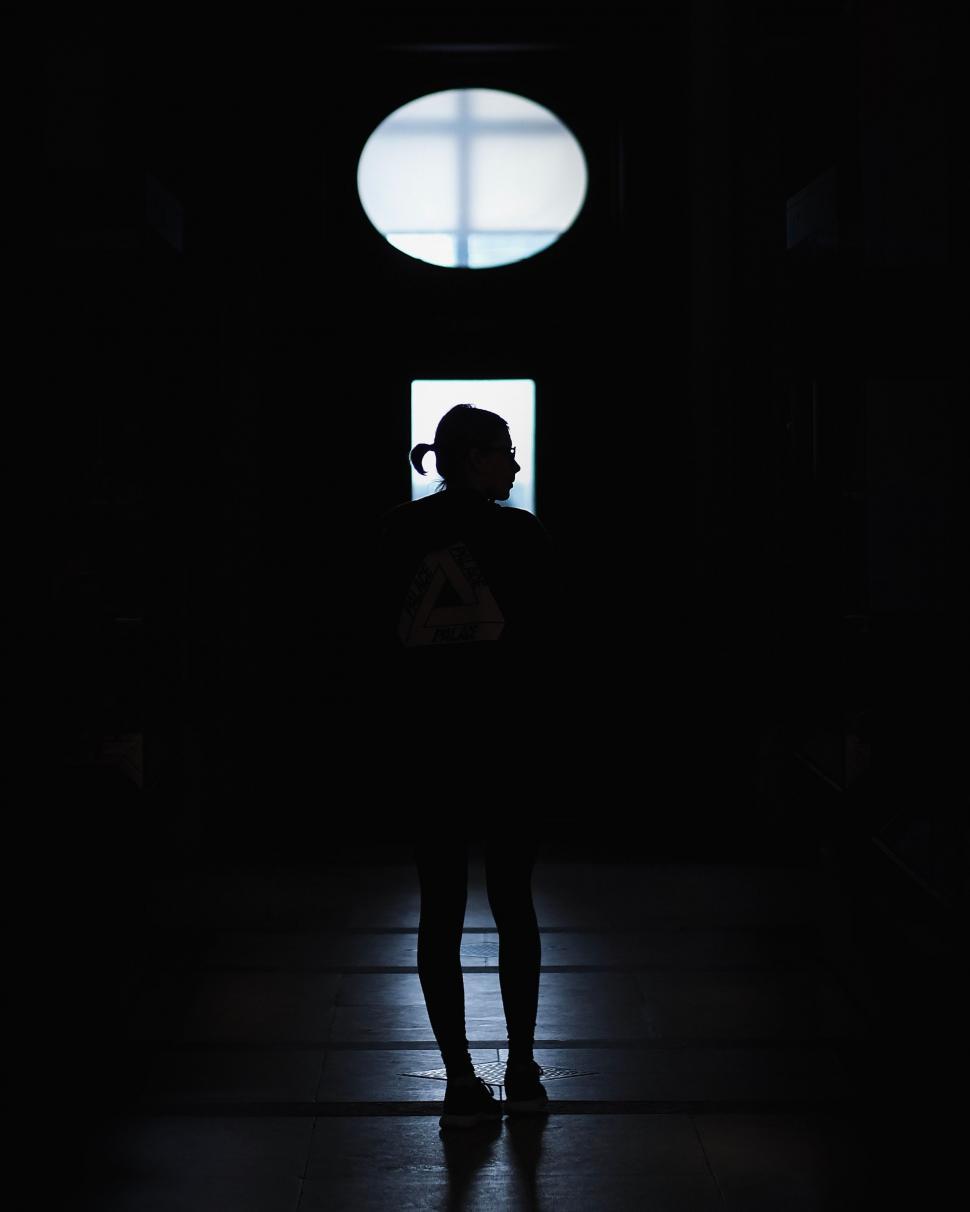


Black is not merely a color. It is a presence. A depth. A silence that feels as though it stretches infinitely in all directions. While white is often described as the blending of all colors in light, black is the absorption of them—a quiet swallowing of brightness. Because of this, black has long been associated with the unknown, the hidden, and the emotionally heavy.
Across cultures, art, psychology, and literature, black represents more than darkness. It speaks to deep-seated fears, unresolved grief, shame, secrecy, and the burdens we carry but rarely voice. It is the color of night, of mourning, of the spaces where clarity dissolves and uncertainty takes over. Yet within that darkness, there is also truth. Black reveals what light often conceals.
This is the story of black—not as pigment, but as emotional landscape.
The Psychology of Black: Fear of the Unknown
From early childhood, darkness can trigger primal fear. A room that feels safe in daylight becomes mysterious at night. Shapes distort. Familiar objects become threatening silhouettes. The fear isn’t necessarily of what is seen—but of what might be there.
Psychologically, black represents the unknown. Human beings are wired to fear uncertainty. We seek patterns, predictability, and clarity. Black interrupts that need. It conceals information. It refuses transparency.
Deep-seated fears often live in this same space. They are not always loud or visible. Instead, they linger in shadow:
Fear of abandonment
Fear of failure
Fear of rejection
Fear of inadequacy
Fear of losing control
These fears do not announce themselves in bright colors. They operate quietly, influencing behavior from beneath the surface. Like black, they absorb rather than reflect.
When we avoid confronting these fears, they expand. Darkness spreads when light is withheld. The same is true emotionally—what we refuse to examine gains power.
Black and Grief: The Weight of Loss
In many Western cultures, black is worn during mourning. The tradition dates back centuries and became particularly formalized during the Victorian era. The act of wearing black signals solemnity, respect, and emotional gravity.
But why black?
Because grief feels heavy. It can feel suffocating. When someone we love is gone, the world may appear drained of color. Laughter feels muted. Joy seems inappropriate. The future feels uncertain.
Black captures this internal experience.
Grief is not only about death. We grieve lost relationships, lost dreams, lost identities, and lost versions of ourselves. Sometimes the deepest grief is invisible to others—a career that didn’t happen, a love that faded, a childhood that lacked safety.
These emotional burdens accumulate. Unprocessed grief can harden into depression, resentment, or numbness. Black, in this sense, becomes the emotional residue of what was never fully mourned.
Yet grief also has a sacred dimension. It reflects love. The deeper the grief, the deeper the attachment once was. Black, then, is not only sorrow—it is proof that something mattered.
The Shadow Self: What We Hide
Psychologist Carl Jung introduced the concept of the “shadow”—the parts of ourselves we repress or deny. The shadow includes traits we consider unacceptable: jealousy, anger, selfishness, vulnerability, and insecurity.
We push these parts into darkness because we fear judgment. But suppression does not eliminate them. It merely hides them.
Black symbolizes this hidden self.
When we pretend we are always strong, always composed, always kind, we create internal pressure. The unacknowledged emotions accumulate in shadow. Eventually, they emerge in indirect ways—passive aggression, burnout, sudden outbursts, chronic anxiety.
Facing the shadow requires courage. It means admitting:
I am not always confident.
I sometimes feel envy.
I carry resentment.
I am afraid.
But integration—bringing the shadow into awareness—reduces its power. Light does not destroy darkness violently; it reveals what was there all along.
Black, in this context, is not the enemy. It is the teacher. It shows us where healing is needed.
Emotional Burdens: The Weight We Carry in Silence
Many people carry invisible burdens. Trauma, family expectations, financial pressure, cultural stigma, personal regret—these are rarely displayed outwardly. They live beneath polished appearances.
Black clothing, black aesthetics, and minimalist dark spaces are sometimes adopted not because someone is depressed, but because black feels honest. It feels real. It acknowledges complexity.
Emotional burdens often include:
Responsibility taken too early in life
The pressure to be “the strong one”
Unspoken family conflict
Shame around past mistakes
Chronic self-criticism
These burdens can feel like a constant internal gravity pulling downward. The person may function normally—work, socialize, succeed—but internally there is heaviness.
Black expresses this gravity visually.
And yet, something powerful happens when burdens are named. Spoken pain begins to lighten. Shared vulnerability invites connection. Darkness shared becomes less isolating.
Black in Art and Expression
Artists have long used black to express emotional intensity. Consider the dramatic contrasts of Baroque paintings, the stark ink lines in calligraphy, or the depth of charcoal sketches. Black creates drama, tension, and emotional focus.
In modern art and fashion, black often represents rebellion or nonconformity. It rejects superficial brightness. It refuses forced optimism.
Writers, too, explore black as metaphor: the “dark night of the soul,” the “black cloud” of depression, the “black hole” of despair.
These metaphors endure because they resonate. Emotional darkness feels immersive. It can distort perception and narrow perspective. But artistic representation transforms that darkness into meaning. Through expression, black becomes communicative rather than isolating.
Depression and the Black Veil
While black symbolizes many emotional states, it is strongly associated with depression. Depression often feels like:
Emotional numbness
Persistent heaviness
Lack of motivation
Hopelessness
Disconnection
It is not always dramatic sadness. Sometimes it is a dull gray-black fog that dulls joy and slows thought.
However, equating black solely with negativity oversimplifies the experience. Darkness can also be restful. Night allows the body to recover. Silence allows reflection.
The difference lies in movement. Healthy darkness is temporary and restorative. Harmful darkness feels endless and immobilizing.
Recognizing this distinction is crucial. Emotional lows are part of being human. But when darkness becomes chronic and overwhelming, support is essential.
Cultural Dimensions of Black
While black is associated with mourning in many Western societies, other cultures interpret it differently. In some traditions, black symbolizes power, formality, sophistication, and authority. Judges wear black robes. Formal events often call for black attire.
Black can signal control and dignity. It can feel protective—like armor. For individuals carrying emotional burdens, black clothing may provide a sense of boundary and containment.
The cultural meaning of black demonstrates an important truth: darkness is not inherently negative. It is context-dependent. The same color that represents grief can also represent strength.
This duality mirrors emotional experience. Fear and resilience can coexist. Pain and growth often intertwine.
Confronting the Darkness
Avoiding emotional darkness does not eliminate it. Suppressed fear intensifies. Ignored grief lingers. Unexamined shame corrodes self-worth.
Confronting darkness does not mean dwelling in it. It means acknowledging its presence.
Practical steps include:
Self-reflection – Journaling or quiet introspection to identify underlying fears.
Therapeutic support – Speaking with a counselor to process unresolved trauma or grief.
Honest conversation – Sharing vulnerability with trusted individuals.
Creative expression – Channeling emotion into art, music, or writing.
Mindfulness practices – Learning to observe thoughts without judgment.
When we turn toward what we fear, its shape becomes clearer. Often, the imagined monster in the dark is less terrifying than the uncertainty itself.
The Paradox of Black: Emptiness and Potential
Black can represent emptiness—a void where something once existed. But emptiness also holds potential. A blank, dark sky becomes the canvas for stars. A black stage curtain rises to reveal performance.
Night precedes dawn.
Emotionally, hitting a “dark” period can precede transformation. When illusions fall away and superficial brightness fades, deeper truths emerge. Many people describe their most difficult periods as catalysts for self-discovery.
The breakdown becomes breakthrough.
Black strips away distraction. It forces inward attention. And in that inward gaze, authenticity can develop.
Integration: Making Peace with Darkness
The goal is not to eliminate darkness from our emotional lives. That would be impossible—and undesirable. Without darkness, we would not recognize light. Without grief, we would not understand love. Without fear, we would not value safety.
Integration means accepting that emotional burdens are part of the human experience.
It means recognizing:
Fear does not mean weakness.
Grief does not mean fragility.
Darkness does not mean failure.
Black becomes less threatening when it is understood as one part of a larger spectrum.
When we allow ourselves to feel deeply—even when those feelings are heavy—we develop emotional depth and empathy. People who have walked through darkness often carry profound compassion for others.
Conclusion: The Beauty Within the Dark
Black holds mystery, sorrow, fear, and weight. It represents the parts of ourselves we struggle to face. It reflects deep-seated emotional burdens and the shadows we carry quietly.
But black also holds elegance, power, protection, and potential. It can be grounding rather than suffocating. Honest rather than deceptive. Transformative rather than destructive.
The darkness within us is not a flaw to erase. It is a dimension to understand.
When we stop running from black—when we sit with it, learn from it, and integrate it—we discover something unexpected: beneath the weight of fear and grief lies resilience. Beneath the shadow lies depth. Beneath the silence lies truth.
And sometimes, it is only in the dark that we finally see ourselves clearly.


0 comments:
Enregistrer un commentaire