
The Easy Nighttime Kitchen Habit That Can Boost Home Safety and Peace of Mind
When you think about home safety, you probably picture locking the front door, setting the alarm, or turning off the lights. But there’s one small, powerful habit that often gets overlooked — and it lives right in the heart of your home.
It takes less than five minutes.
It costs nothing.
And it can dramatically reduce fire risk, water damage, pests, and that nagging “Did I forget something?” feeling when your head hits the pillow.
The habit? A simple nightly kitchen safety reset.
Let’s break down why this small routine matters — and exactly how to do it.
Why the Kitchen Deserves Special Attention at Night
The kitchen is one of the highest-risk areas in any home. According to fire safety organizations like the National Fire Protection Association, cooking equipment is a leading cause of home fires. Add to that:
Gas appliances
Electrical outlets and small appliances
Water lines and dishwashers
Food that attracts pests
Sharp tools and cleaning chemicals
When you go to sleep, you’re entering your most vulnerable state of the day. You won’t smell smoke quickly. You won’t hear a small drip turning into a flood. You won’t notice that the stove knob was bumped slightly out of position.
That’s why a short nighttime kitchen reset can be so powerful.
It’s proactive protection — not reactive panic.
The 5-Minute Nighttime Kitchen Safety Reset
Here’s the exact routine. You can follow it in order, and once it becomes a habit, it’ll take almost no thought at all.
1. Check the Stove and Oven (Always First)
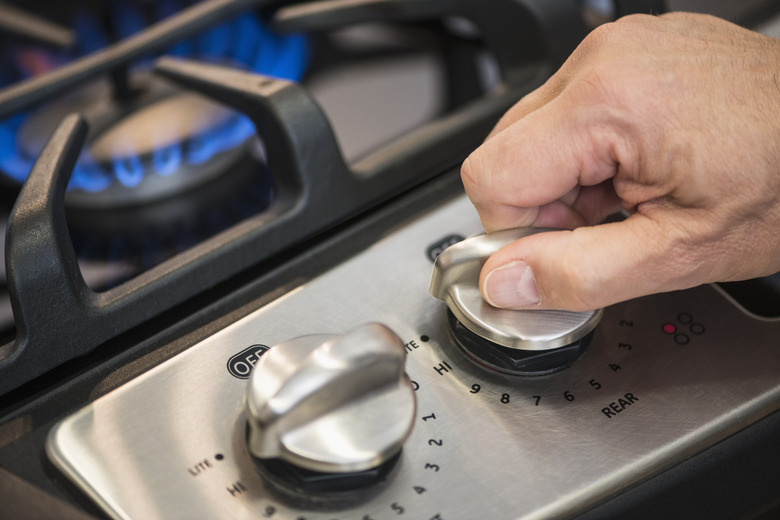
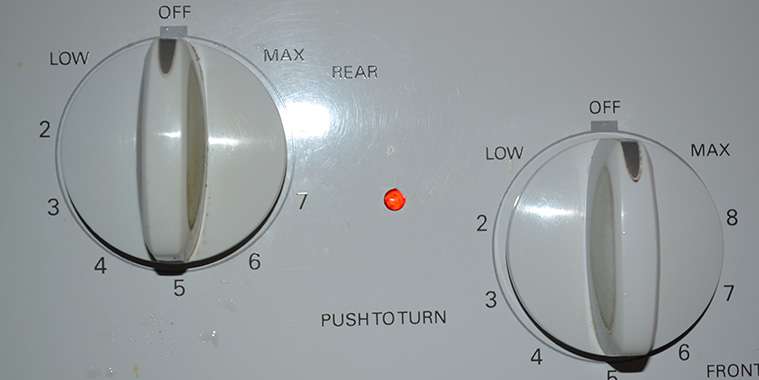
This is the single most important step.
Ensure all burners are fully off
Double-check that knobs are in the OFF position
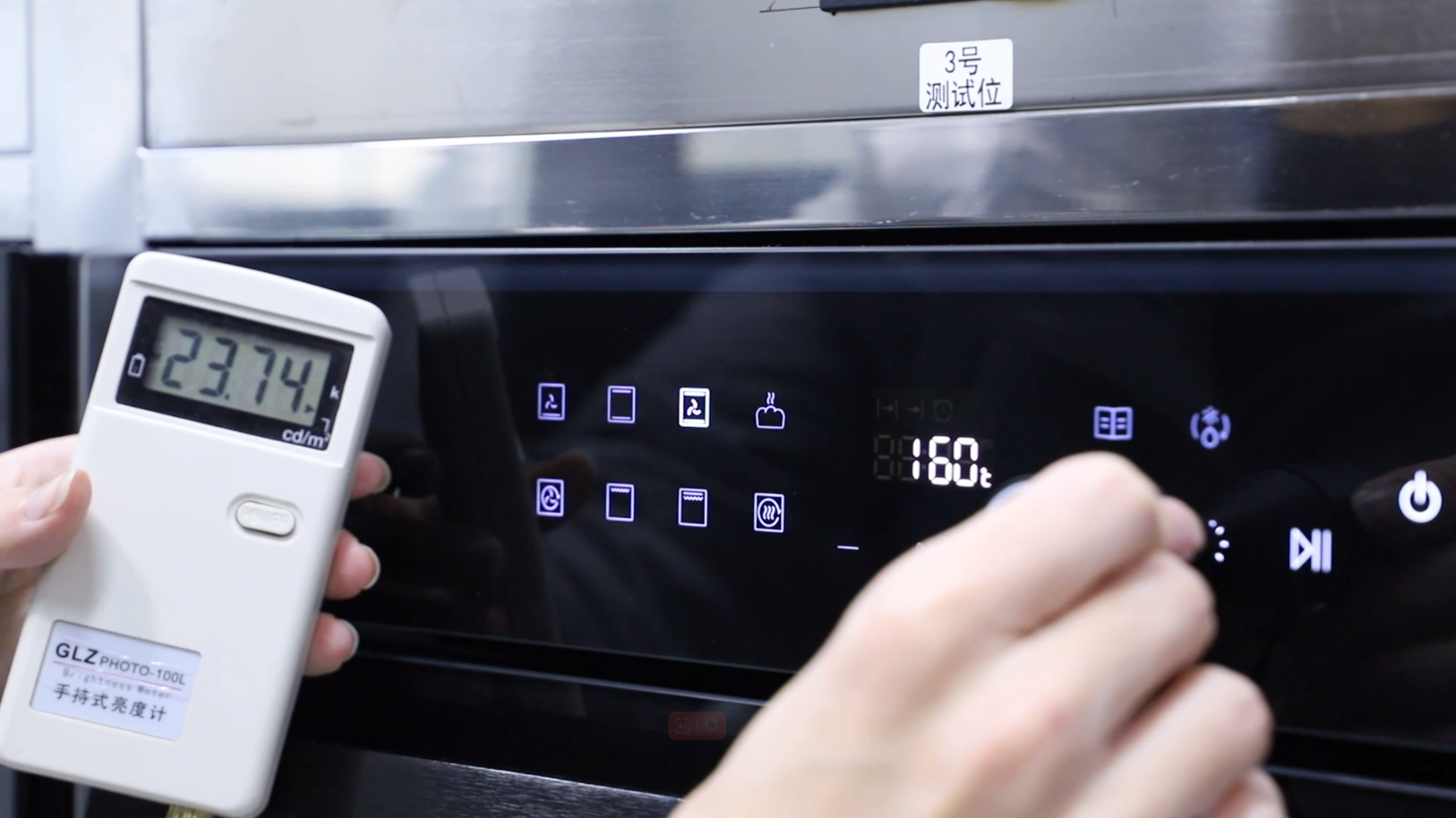
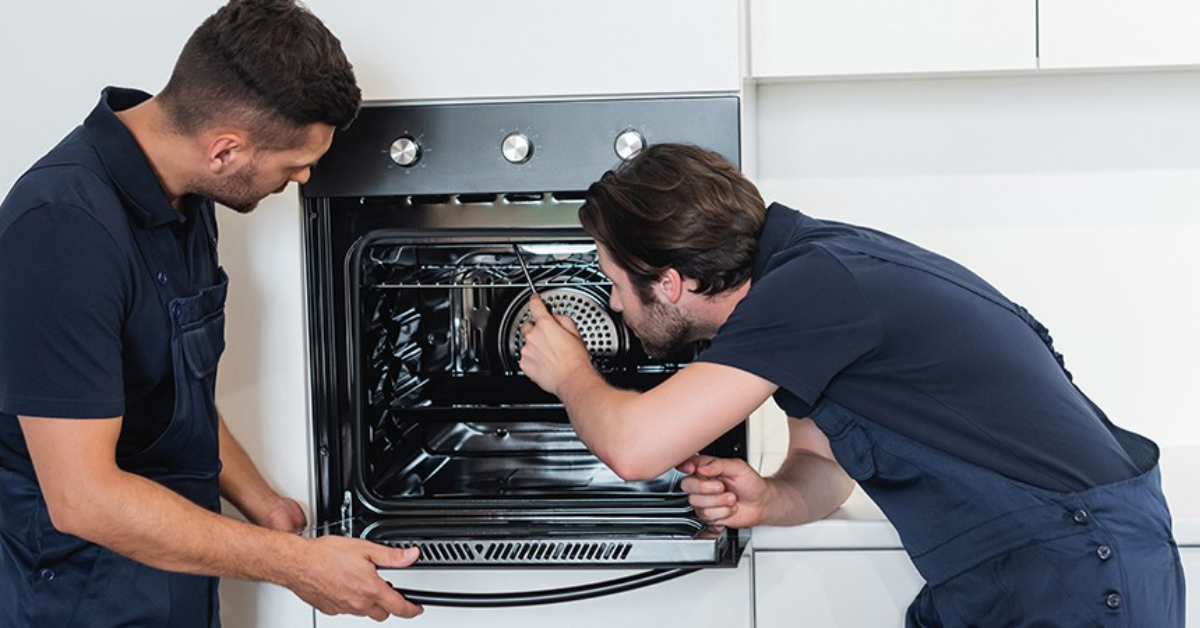
Confirm the oven isn’t still on
If you have a gas stove, make sure you don’t smell gas
Even if you didn’t cook that night — check anyway.
Why? Because stove knobs can get bumped accidentally by:
Kids
Pets
Cleaning
Leaning against the counter
This 10-second check alone can prevent catastrophic fires or gas leaks.
2. Unplug or Power Down Small Appliances


Small appliances draw power even when not actively in use. Some can overheat or short-circuit.
Consider unplugging or powering off:
Toasters
Air fryers
Coffee makers
Electric kettles
Slow cookers
Countertop ovens
If unplugging nightly feels overwhelming, prioritize high-heat appliances.
Bonus: This also reduces phantom energy usage and lowers your electricity bill.
3. Clear the Sink and Counters
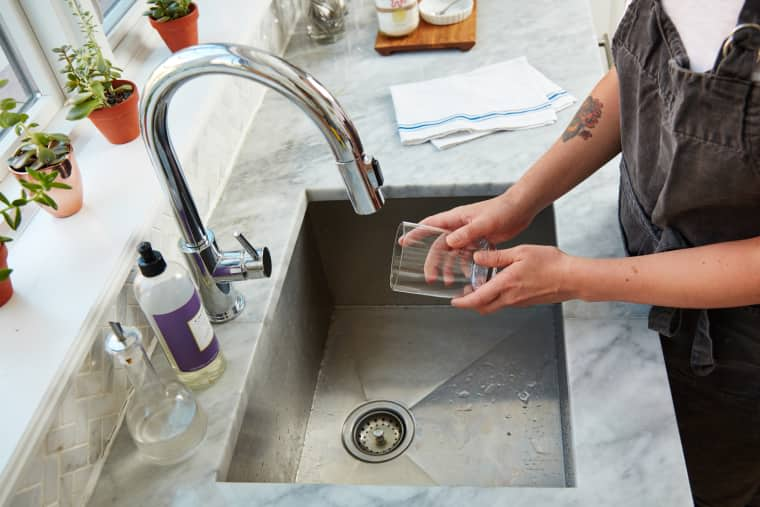


This step isn’t just about cleanliness — it’s about prevention.
Leftover food scraps can:
Attract pests overnight
Create bacteria growth
Cause unpleasant odors
Encourage ants and rodents
Quick actions:
Rinse dishes (or run the dishwasher)
Wipe crumbs from counters
Take out trash if it’s full
Close pantry containers tightly
A clean kitchen also creates psychological calm. You’ll wake up to order — not stress.
4. Check for Water Risks

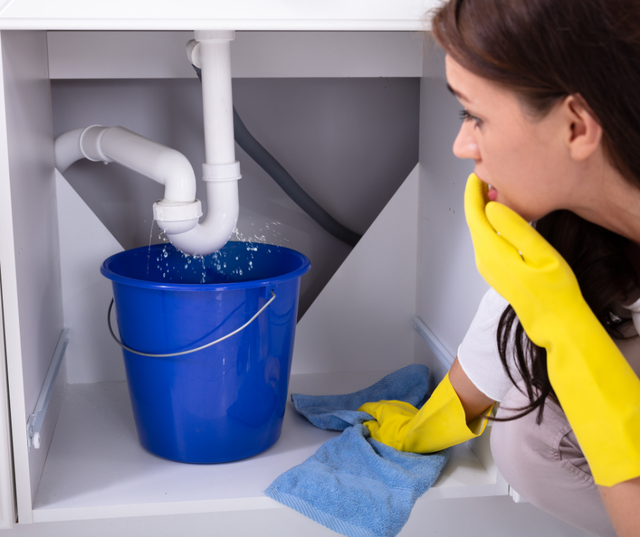
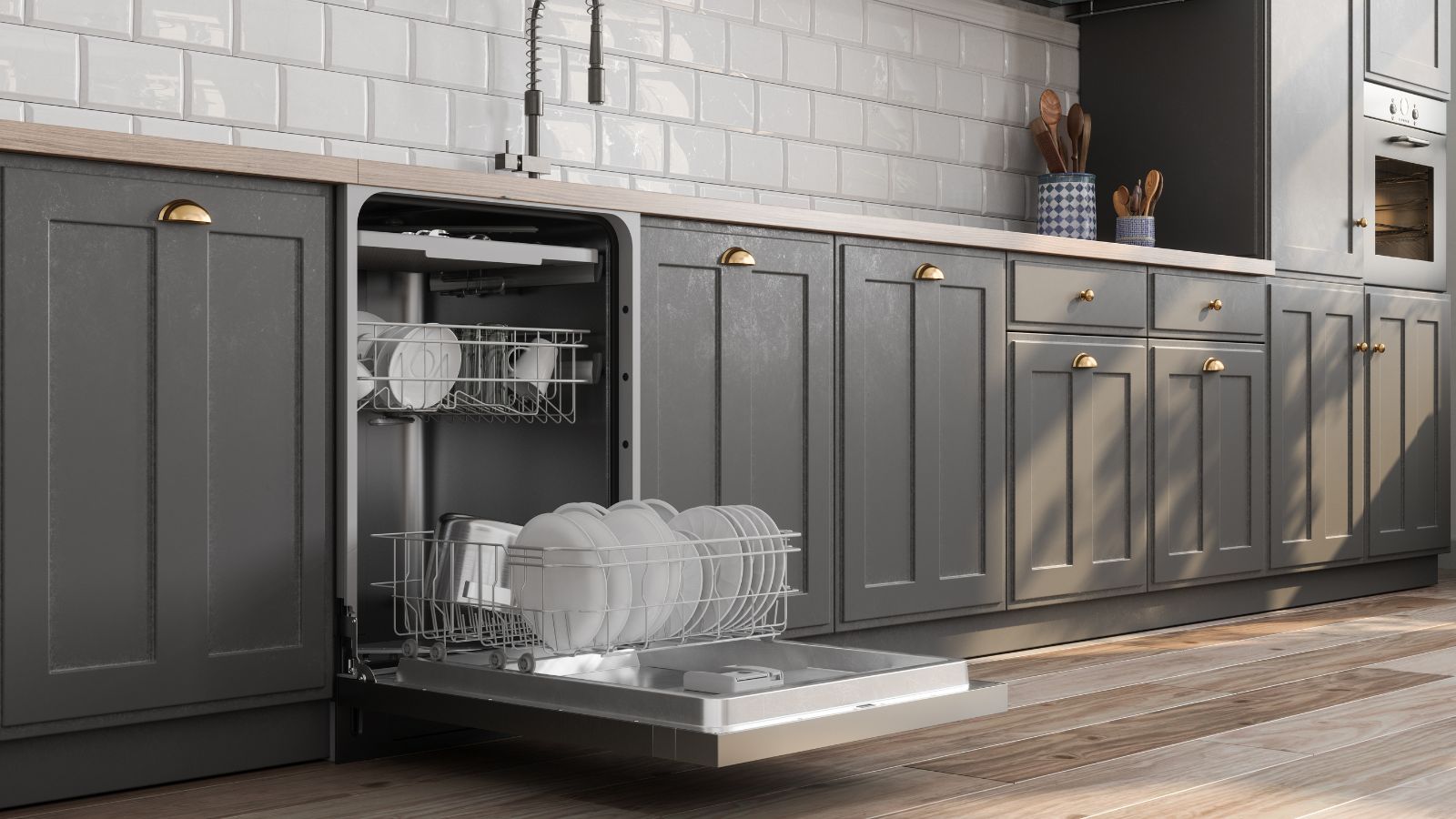
Water damage is one of the most common and expensive home insurance claims.
Before bed:
Ensure the faucet is fully off
Check that the dishwasher isn’t mid-cycle (unless intentional)
Look under the sink for visible drips
If you’re extra cautious, turn off the dishwasher supply valve overnight
Catching a slow leak early can prevent thousands of dollars in repairs.
5. Set the “Kitchen Is Closed” Signal


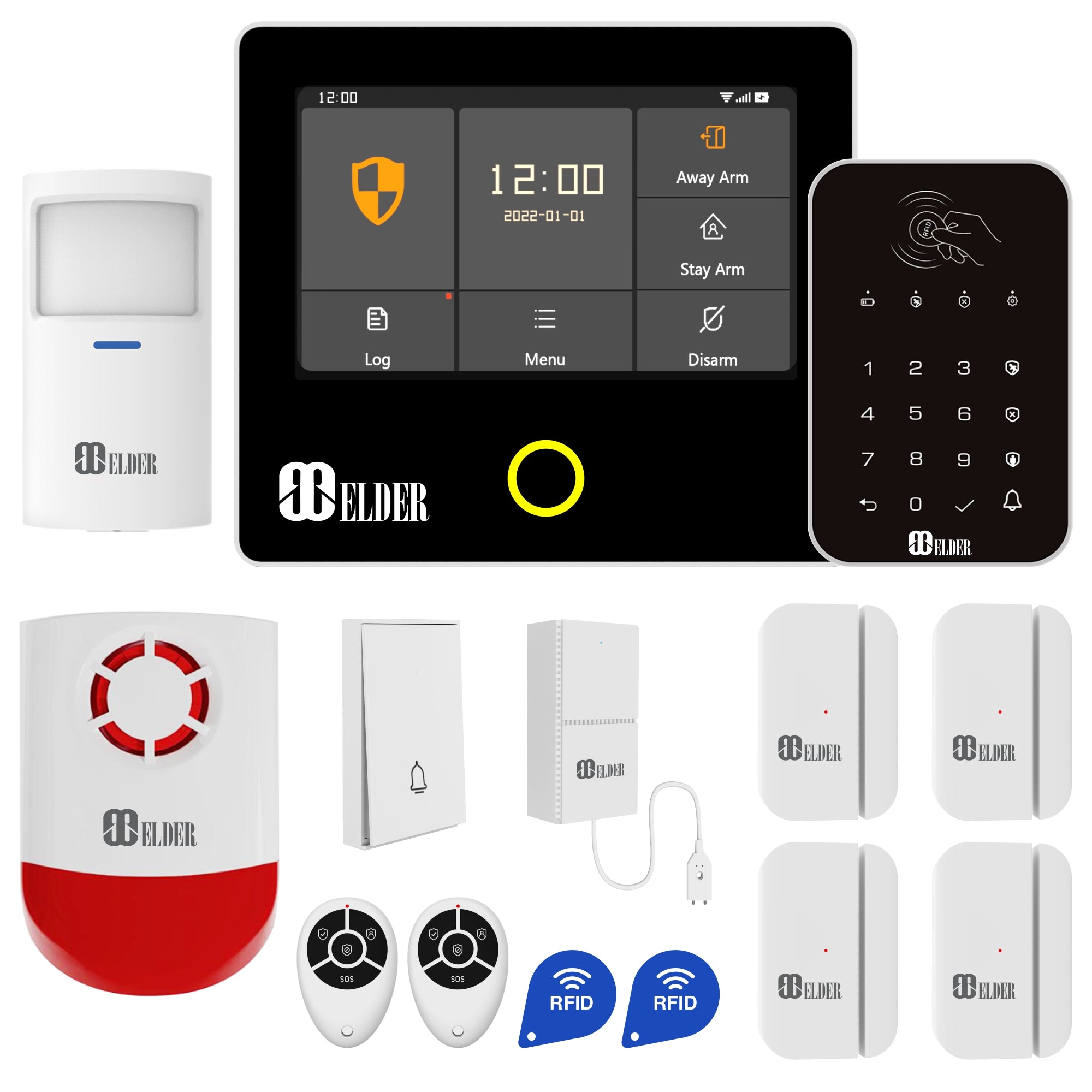

The final step is symbolic — and powerful.
Turn off the lights
Lock any kitchen doors
Set the home alarm (if you have one)
Do one last visual scan
This signals to your brain: “The day is complete.”
That closure reduces nighttime anxiety and improves sleep quality.
Why This Habit Works (Beyond Safety)
Let’s go deeper. This isn’t just about avoiding worst-case scenarios.
1. It Reduces Mental Load
How often have you laid in bed thinking:
“Did I leave the stove on?”
“Did I run the dishwasher?”
“Is the back door locked?”
A nightly reset creates certainty.
Certainty equals calm.
2. It Protects Your Future Self
Morning-you will thank nighttime-you.
Waking up to:
Clean counters
No smells
No clutter
No surprises
Sets a productive tone for the entire day.
3. It Builds Home Awareness
This small ritual increases your awareness of your home’s condition. You’ll notice:
A burner that doesn’t click properly
A faucet starting to drip
A loose cabinet hinge
An appliance behaving strangely
Early detection = cheaper fixes.
How to Make It Stick (Without Feeling Overwhelmed)
Habits fail when they feel like chores. Here’s how to make this one effortless.
1. Anchor It to Something You Already Do
For example:
After brushing your teeth
After your final cup of tea
Right before setting your phone alarm
Tie it to an existing behavior.
2. Keep It Under Five Minutes
Perfection isn’t required.
This is a safety reset, not a deep cleaning session.
3. Involve the Household
Assign roles:
One person checks appliances
Another clears counters
Someone locks doors
Kids can even participate (age-appropriate tasks build responsibility).
4. Make It Pleasant
Turn on soft music.
Dim the lights.
Light a candle for a minute while you tidy.
Transform it from “task” to “ritual.”
What This Habit Prevents
Let’s summarize the protection you gain:
🔥 Reduced fire risk
💧 Lower chance of water damage
🐜 Fewer pest problems
⚡ Reduced electrical hazards
😌 Less nighttime anxiety
🌅 Better mornings
All from five focused minutes.
The Ripple Effect: Safety as a Lifestyle
Once you implement a kitchen reset, something interesting happens.
You start noticing:
The dryer lint trap
The bathroom fan
The garage door
The thermostat
You begin thinking in systems.
Safety stops being reactive — it becomes intentional.
And that mindset spreads.
A Realistic Approach (Not Fear-Based)
This habit isn’t about paranoia.
It’s about prevention.
Most nights, nothing would happen even if you skipped it.
But the nights when something could happen?
That’s when this habit matters most.
Like wearing a seatbelt, you don’t do it because you expect a crash.
You do it because it’s smart.
Your 5-Minute Checklist (Printable Version)
You can screenshot this:
✔ Stove & oven off
✔ Small appliances powered down
✔ Sink & counters cleared
✔ Faucet & dishwasher checked
✔ Trash handled
✔ Doors locked
✔ Lights off
Done.
The Peace of Mind Factor
Here’s the part people underestimate:
Peace of mind has real value.
When you lie down and know:
The fire risk is minimized
The water risk is minimized
The house is secure
Your nervous system relaxes.
And better sleep improves:
Mood
Focus
Health
Productivity
So yes — this tiny kitchen habit can improve more than just safety.
It can improve your quality of life.
Start Tonight
Don’t wait for a close call.
Don’t wait for a news story.
Don’t wait for a “Did I leave that on?” moment at 1:47 AM.
Tonight, before bed, walk into your kitchen.
Take five minutes.
Reset it.
Lock it.
Close it.
Then go to sleep knowing you’ve done one small, powerful thing to protect your home and the people in it.
Because sometimes the most meaningful safety upgrades
aren’t expensive systems or complicated tools.
They’re simple habits — done consistently.
And this one might be the easiest upgrade you’ll ever make.


0 comments:
Enregistrer un commentaire