
From Savannah Smiles to Tragedy: The Short Life of Bridgette Andersen
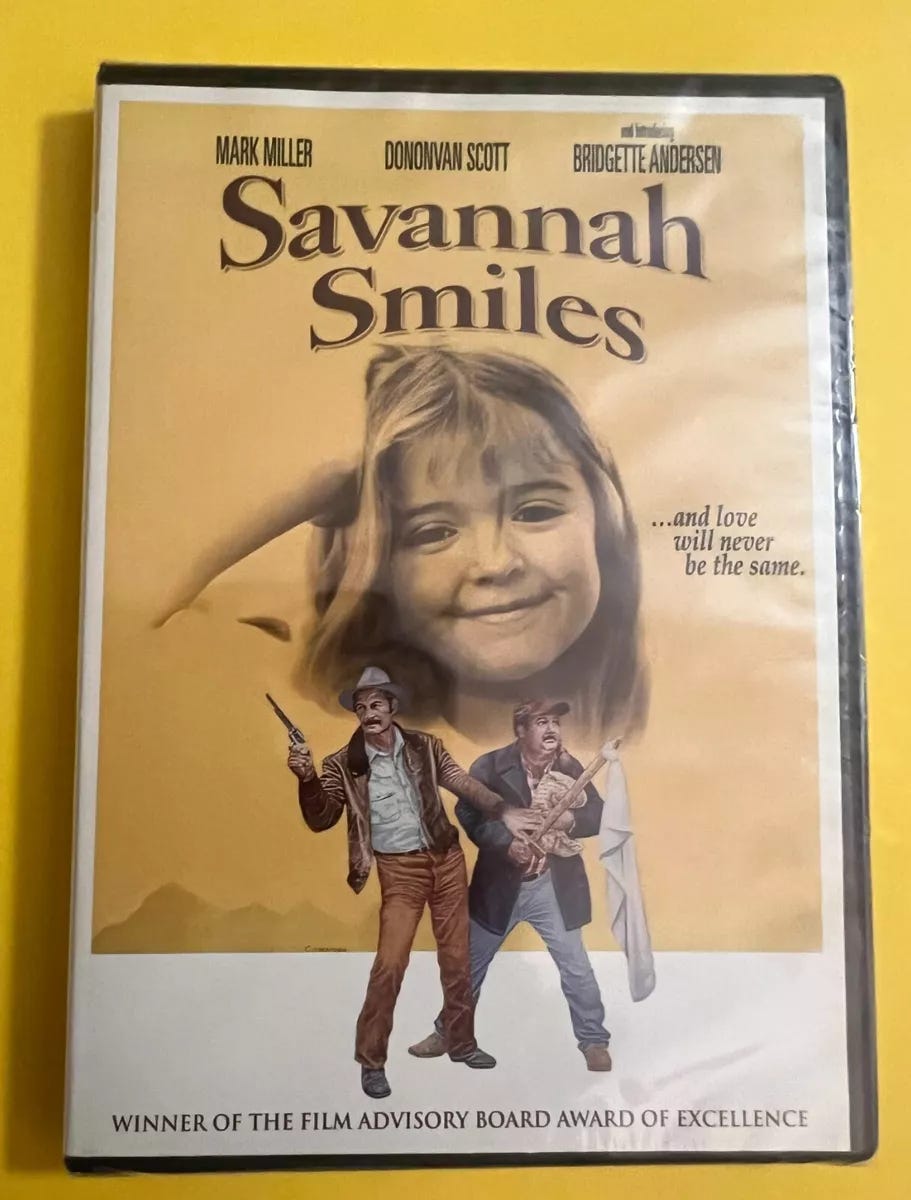
In the early 1980s, one small face captured hearts across America — wide-eyed, expressive, and radiating a kind of innocence that felt almost luminous on screen. That face belonged to Bridgette Andersen, the young actress best known for her starring role in the 1982 family film Savannah Smiles.
Her rise was swift. Her talent undeniable. And her life heartbreakingly brief.
This is the story of a child star who shone brightly, then struggled quietly — a reminder of how fragile early fame can be when childhood collides with Hollywood.
The Girl Who Became “Savannah”


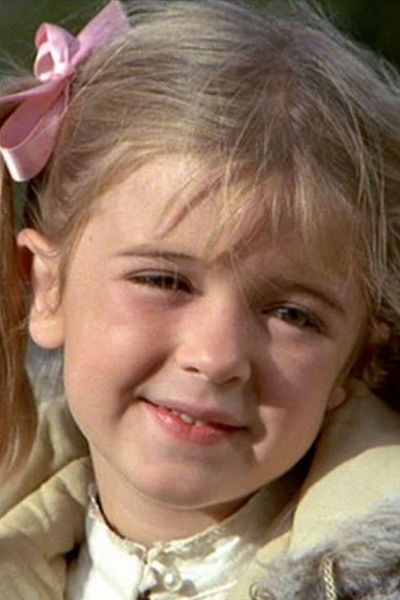
Released in 1982, Savannah Smiles told the story of a lonely little girl from a wealthy family who is accidentally kidnapped by two small-time criminals — only to form an unlikely bond with them. The film was tender, emotional, and anchored almost entirely by the performance of its young lead.
Bridgette Andersen was just six years old.
What made her performance so remarkable wasn’t simply cuteness. It was emotional intelligence. She portrayed loneliness, hope, humor, and resilience with a depth rarely seen in someone so young. Audiences didn’t just watch her — they felt for her.
The film wasn’t a massive box-office hit upon initial release, but it developed a strong following over time, especially among families. Bridgette’s performance became the heart of the movie’s legacy.
For a moment, it seemed clear: a major child star had arrived.
A Rapid Rise in Hollywood
After Savannah Smiles, opportunities followed quickly.
Bridgette appeared in television series and films throughout the early 1980s, including roles in family-oriented programming and guest appearances on popular shows of the time. Casting directors saw in her what audiences did: authenticity. She didn’t seem to be “acting.” She seemed to be living her roles.
But early success in Hollywood often comes with invisible weight.
For a child actor, fame is not simply applause. It can mean:
Intense schedules
Adult expectations
Public scrutiny
Loss of privacy
Financial pressure
Family strain
The entertainment industry in the 1980s offered far fewer protections and support systems for young performers than exist today. Psychological care for child actors was rarely prioritized. The focus was production, not preservation.
And while Bridgette continued working, the roles gradually slowed.
The Difficult Transition
The shift from “adorable child star” to adolescent actor is one of the most precarious transitions in Hollywood.
Audiences age with stars — but casting directors often don’t.
As Bridgette grew older, the industry that once celebrated her began to move on. The big roles faded. The spotlight dimmed.
For many former child actors, this period can trigger identity confusion. When your sense of self forms around applause, what happens when the applause stops?
Bridgette stepped away from major acting work by her teenage years. While some child actors successfully reinvent themselves, others struggle in silence — especially without a strong support system.
The Hidden Pressures of Child Stardom
The public often sees only the glittering side of early fame.
But history has shown us that child stardom can carry significant psychological risks:
Difficulty separating identity from public image
Financial instability once work declines
Exposure to adult environments too early
Lack of normal childhood development
In Bridgette’s era, conversations about mental health were far less open than they are now. Addiction, depression, and emotional struggles were often hidden rather than treated.
Former child stars frequently describe feeling “grown up” professionally but emotionally underdeveloped in coping skills — a dangerous imbalance.
A Life Cut Short
In 1997, tragedy struck.
At just 21 years old, Bridgette Andersen died from a drug overdose. Reports later confirmed the cause as heroin intoxication.
She was barely past childhood.
The news shocked those who remembered her as the bright, smiling girl from Savannah Smiles. To many, she was frozen in memory as six years old — innocent and hopeful.
Her death joined a long and painful list of young performers who struggled after early fame.
The Pattern We Keep Seeing
Bridgette Andersen’s story is not isolated.
Across decades, Hollywood has seen similar arcs:
Early discovery
Rapid success
Public adoration
Career slowdown
Personal struggles
Tragic or turbulent outcomes
Not every child actor experiences this trajectory. Many thrive and build healthy adult lives. But the pattern appears often enough to demand reflection.
Child stardom magnifies everything — praise, criticism, opportunity, pressure. And when that intensity disappears, the silence can be destabilizing.
Remembering the Talent, Not Just the Tragedy
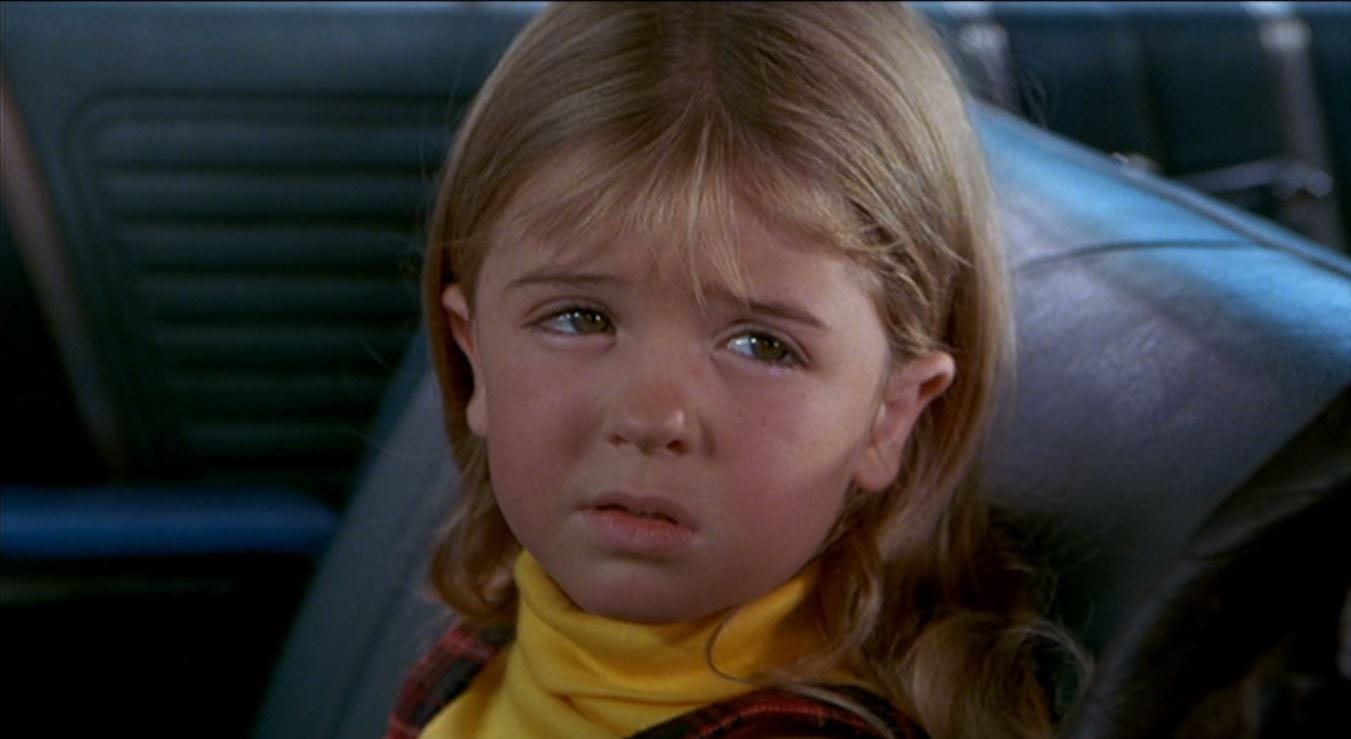

It’s easy for tragedy to overshadow talent. But Bridgette deserves to be remembered first for what she accomplished.
In Savannah Smiles, she carried a film with emotional maturity beyond her years. She connected with audiences in a way that felt effortless and real.
Even today, viewers revisiting the movie often comment on:
The depth in her eyes
The sincerity of her delivery
The natural chemistry with adult co-stars
The vulnerability she conveyed
Those qualities weren’t manufactured. They were innate.
And for a brief time, they lit up the screen.
The Cultural Context of the 1980s
Understanding Bridgette’s life also requires understanding the era.
The 1980s entertainment industry was:
Less regulated for child performers
Less aware of addiction risks in young adults
Less open about mental health
Highly competitive
Intensely image-driven
Today, child actors often have access to tutors, therapists, legal protections, and financial safeguards. While not perfect, the system has evolved.
In Bridgette’s time, those protections were minimal.
That context doesn’t change the outcome — but it helps explain how vulnerable young performers could fall through the cracks.
The Legacy of Savannah Smiles
Though Bridgette’s life ended young, her work endures.
Savannah Smiles continues to be discovered by new audiences. For some, it’s a nostalgic childhood favorite. For others, it’s a hidden gem of early 1980s family cinema.
The film’s emotional core remains intact decades later.
And at the center of that story is Bridgette — forever six years old on screen.
There’s something haunting about that permanence. Film preserves youth. Life does not.
What Her Story Teaches Us
Bridgette Andersen’s life invites reflection on several broader themes:
1. The Fragility of Early Fame
Success at a young age does not guarantee stability later. In fact, it can complicate it.
2. The Importance of Support Systems
Young performers need emotional, psychological, and financial guidance long after the cameras stop rolling.
3. The Humanity Behind the Headlines
When former child stars struggle, it’s not scandal — it’s often pain.
4. The Responsibility of an Industry
Hollywood has made progress, but Bridgette’s story reminds us why protections matter.
A Life Measured in Moments
Bridgette Andersen lived only 21 years.
But in those years, she gave the world a performance that still resonates.
There is something bittersweet about revisiting Savannah Smiles knowing what came later. The film feels softer. More fragile. Almost prophetic in its themes of loneliness and longing for connection.
Yet perhaps the most respectful way to honor her memory is not through sorrow alone — but through recognition of her gift.
She wasn’t just a tragic headline.
She was a talented child who moved audiences.
She was a young woman navigating pressures far larger than most her age.
She was human.
Final Reflection
From Savannah’s smile to a life overshadowed by addiction, Bridgette Andersen’s story is one of brilliance and heartbreak intertwined.
Her journey reminds us that fame is not protection.
Applause is not armor.
And childhood, once spent in the spotlight, can be difficult to reclaim.
But her work remains.
On screen, she still smiles.
Still hopes.
Still believes in connection.
And perhaps that is how she should be remembered — not only for the tragedy of her short life, but for the light she brought to the screen while she was here.
If you’d like, I can also write a companion piece exploring other child stars of the 1980s and how the industry has changed since then.


0 comments:
Enregistrer un commentaire