
Breast cancer is one of the most common cancers affecting women worldwide. While hearing the words “breast cancer” can feel frightening, there’s also powerful reassurance in this truth: when detected early, breast cancer is often highly treatable.
Awareness isn’t about fear. It’s about familiarity. Knowing what’s normal for your body—and recognizing when something changes—can make all the difference.
Below are four early signs of breast cancer every woman should know, along with what they mean and when to seek medical advice.
1. A New Lump or Thickening in the Breast
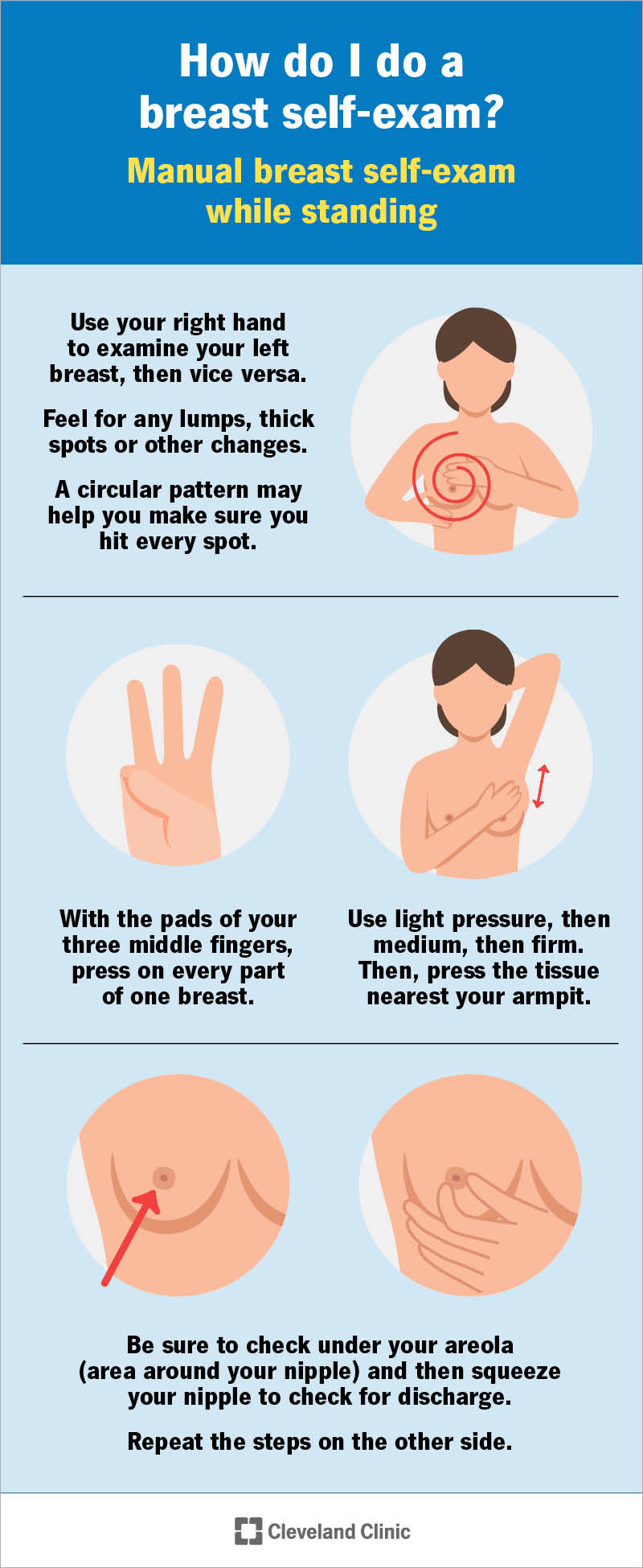
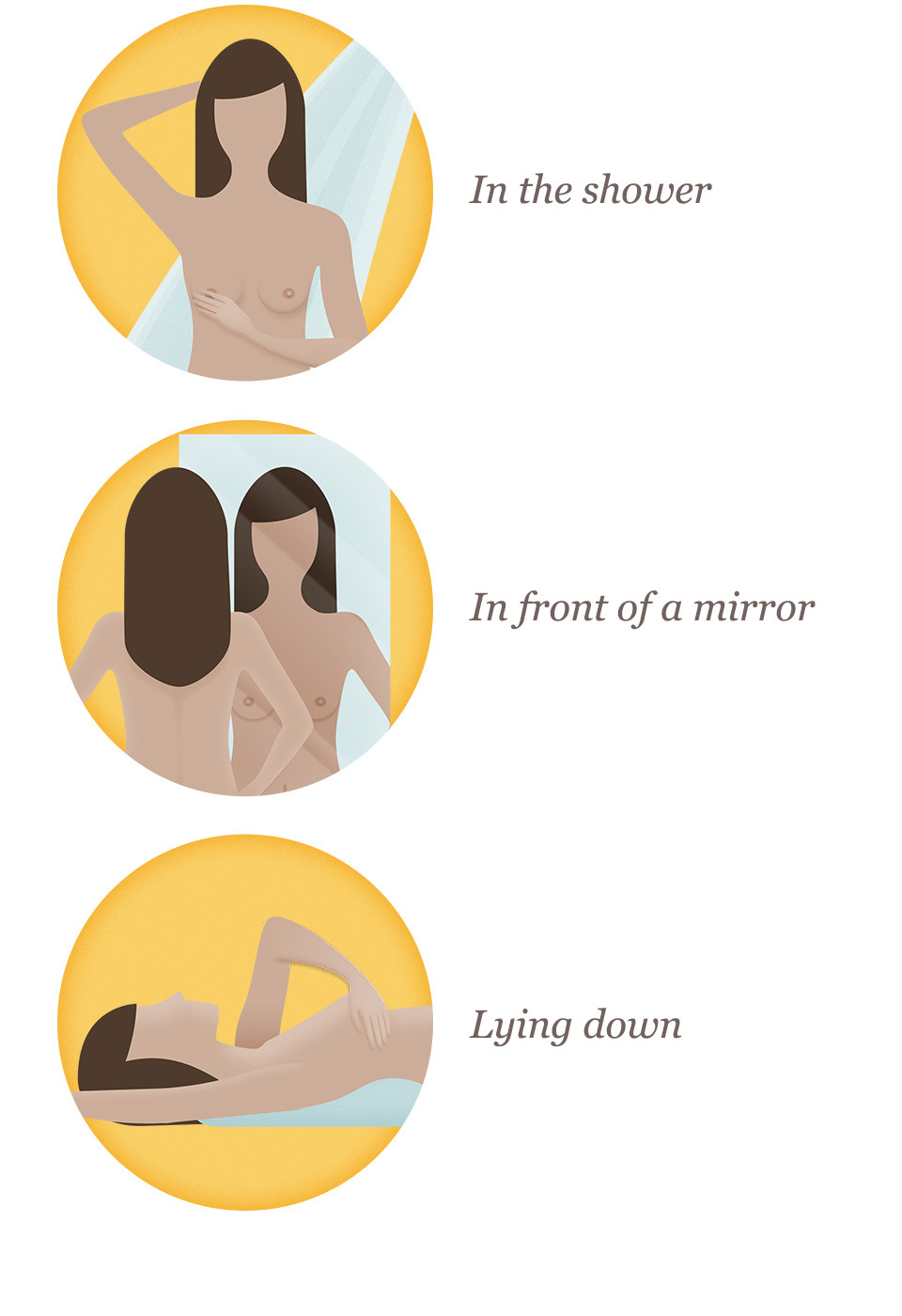
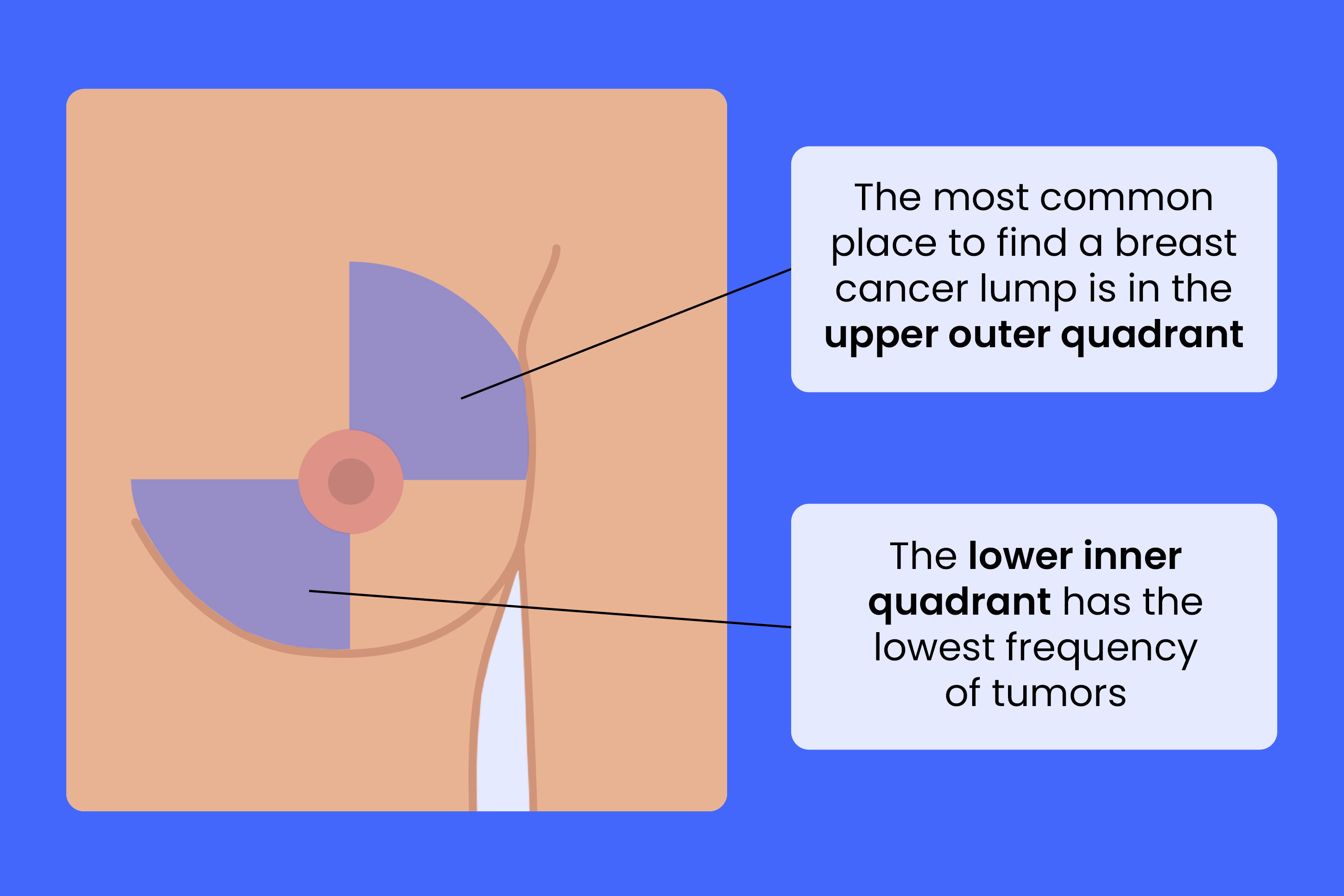
The most well-known early sign of breast cancer is a new lump or mass in the breast or underarm area.
What it may feel like:
A hard or firm knot
Irregular edges
Usually painless (though not always)
Different from surrounding tissue
Not all lumps are cancerous. Many are benign conditions such as cysts or fibroadenomas. However, what matters most is change. If you feel something that wasn’t there before—or something that feels different from the rest of your breast tissue—it’s important to have it evaluated.
Why early detection matters
In early-stage breast cancer, tumors are often small and confined to the breast. Detecting a lump early increases the likelihood of simpler treatments and better outcomes.
If you notice:
A lump that persists beyond one menstrual cycle
A lump in the armpit
A thickened area that doesn’t go away
Schedule a visit with your healthcare provider.
2. Changes in Breast Shape or Size
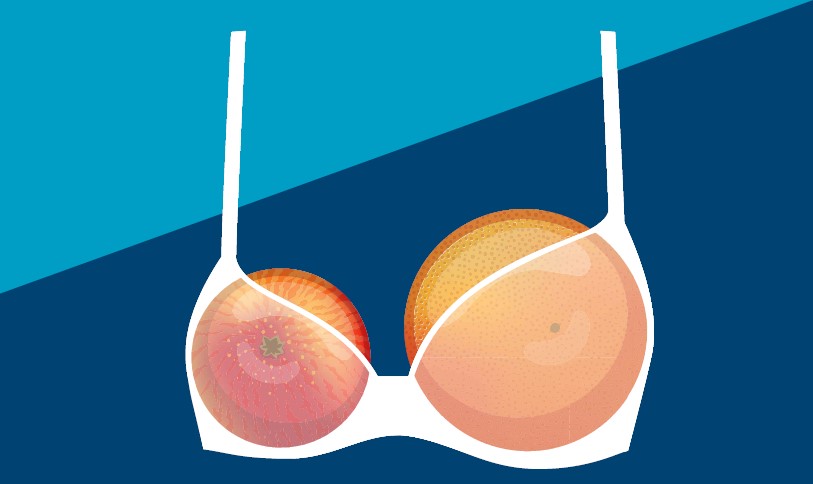
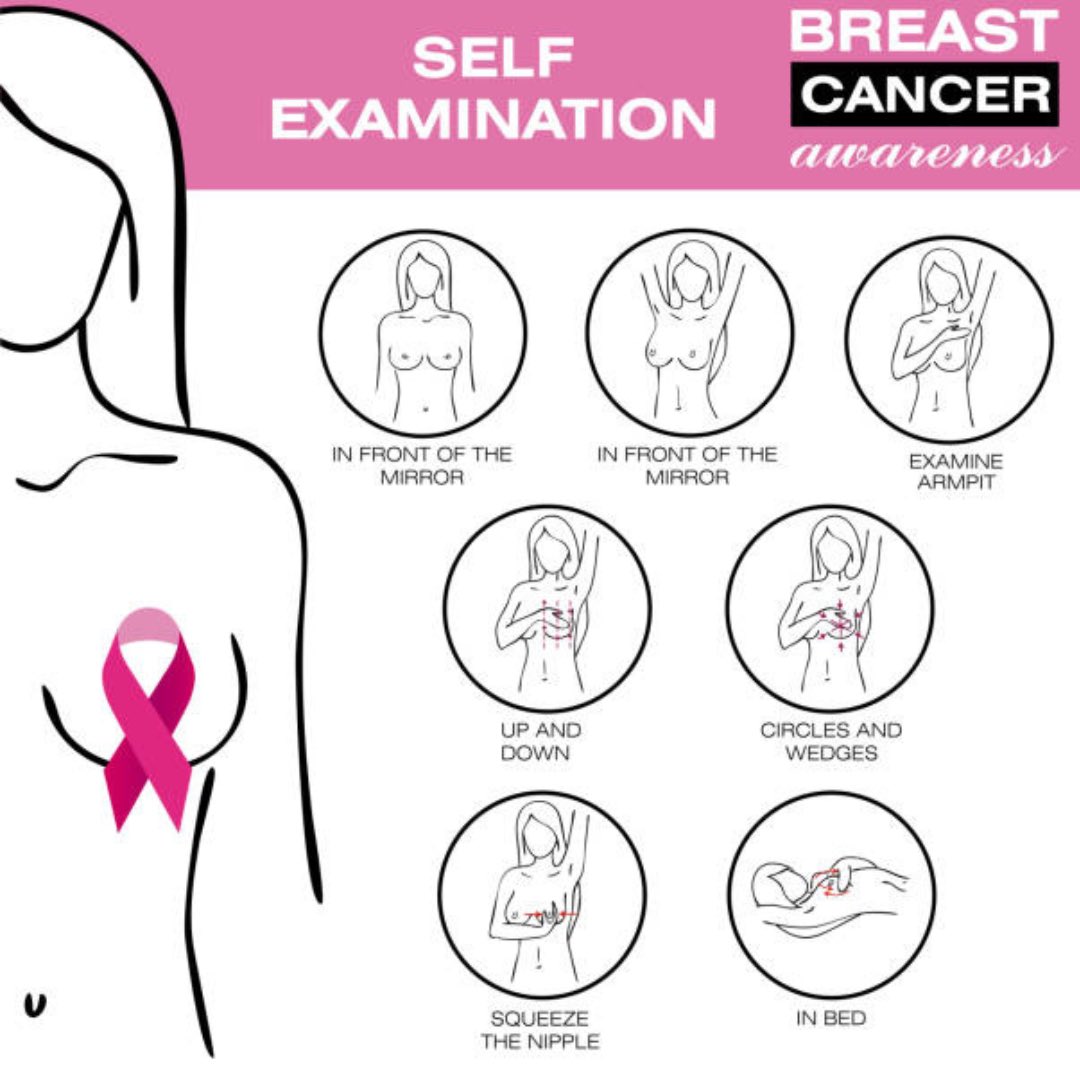
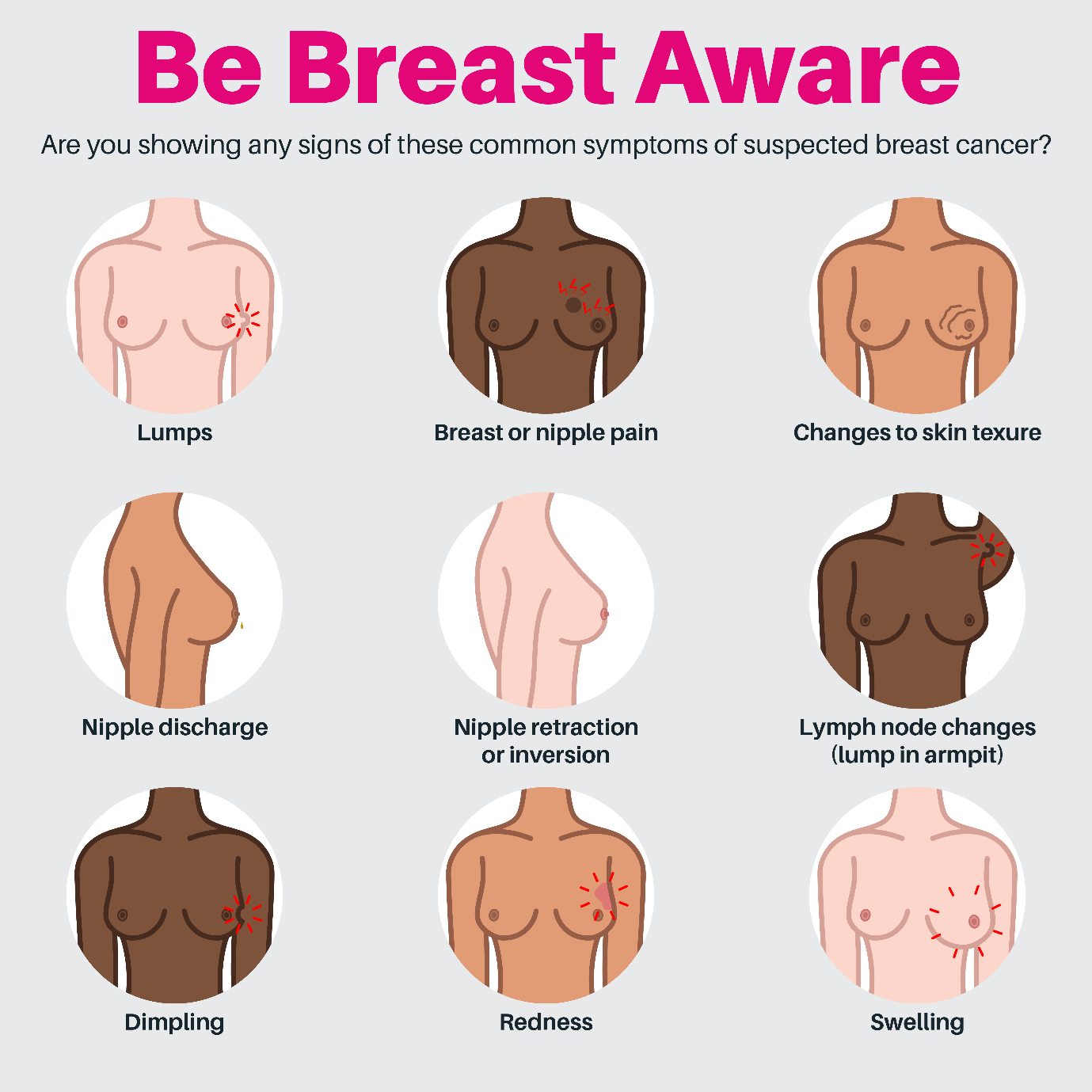

Subtle changes in the size or contour of one breast can sometimes be an early sign of breast cancer.
What to look for:
One breast becoming noticeably larger
Unexplained swelling
Distortion or unusual shape
Visible flattening in one area
Some breast asymmetry is completely normal. Many women naturally have one breast slightly larger than the other. The key again is new and unexplained change.
Cancerous growths can pull on internal tissue, altering the outward appearance of the breast before a lump is easily felt.
If you notice:
Sudden size difference
A visible indentation
Persistent swelling without injury
Don’t ignore it. Even painless changes deserve attention.
3. Skin Changes on the Breast
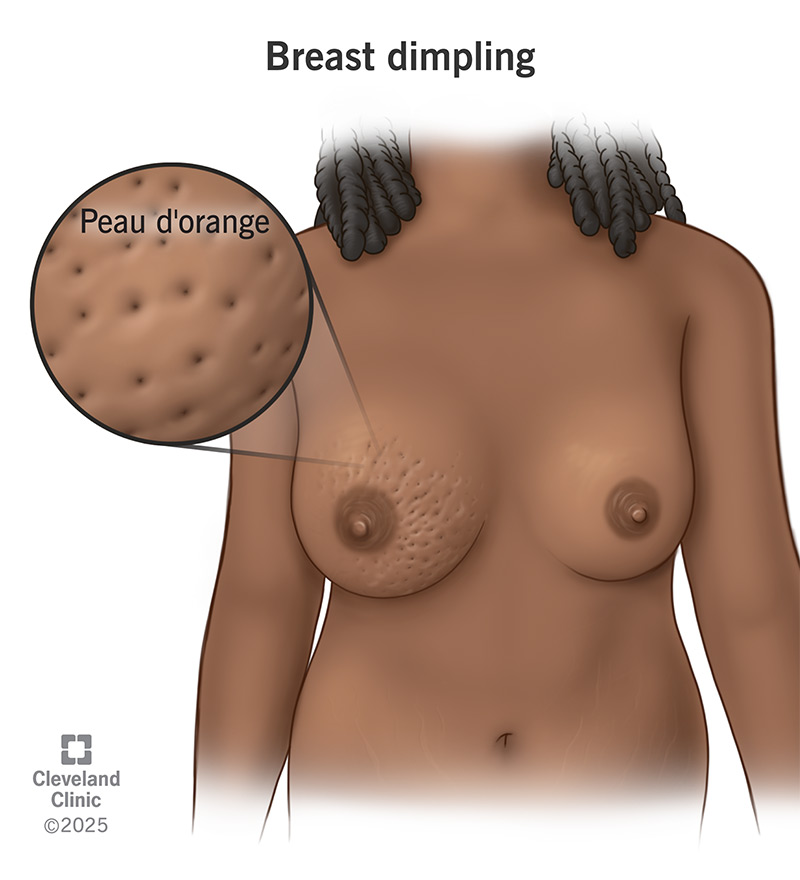


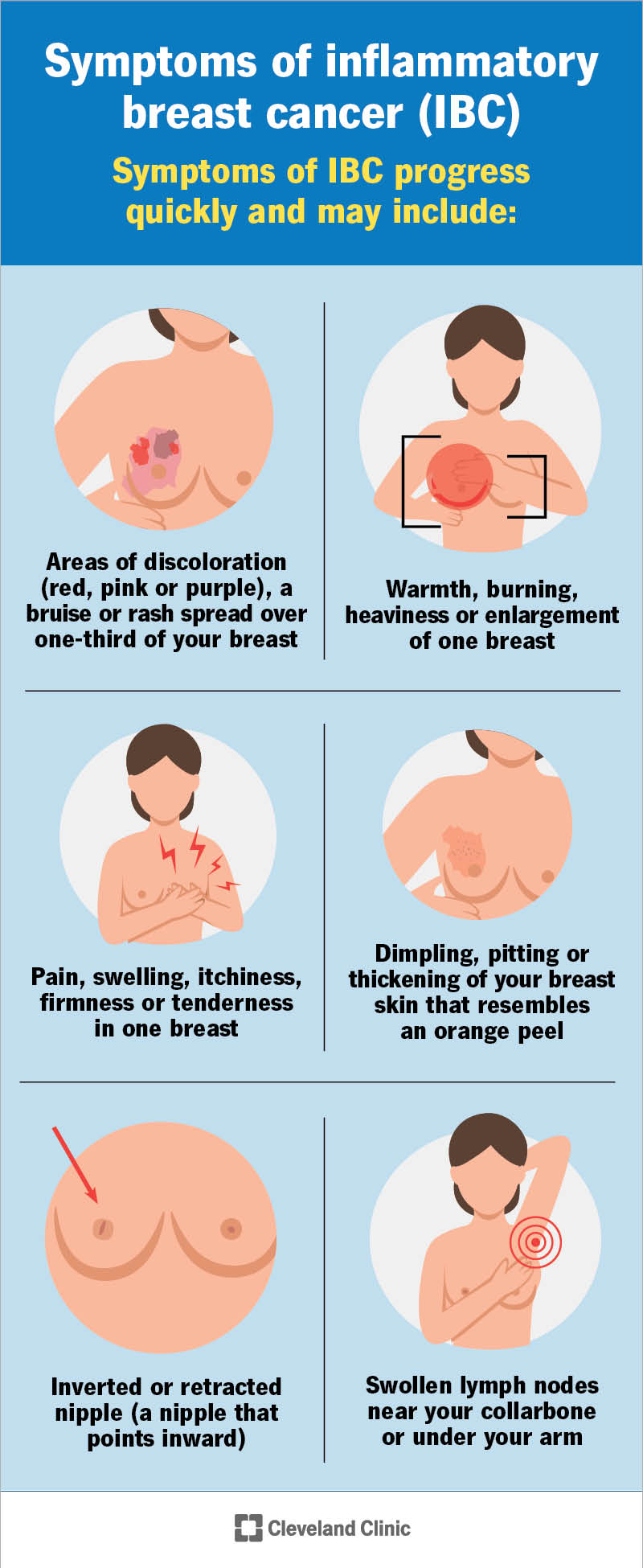
The skin covering the breast can sometimes show early warning signs.
Warning signs include:
Dimpling or puckering
Thickened skin
Redness or warmth
A texture resembling orange peel (called peau d’orange)
Persistent rash on the breast
These changes occur because cancer can block lymphatic drainage or pull on connective tissue beneath the skin.
A rare but aggressive form known as inflammatory breast cancer may first appear as redness and swelling rather than a distinct lump. It can sometimes be mistaken for infection.
If redness or skin thickening does not improve after treatment for infection—or if there is no obvious cause—seek medical evaluation promptly.
4. Nipple Changes or Discharge

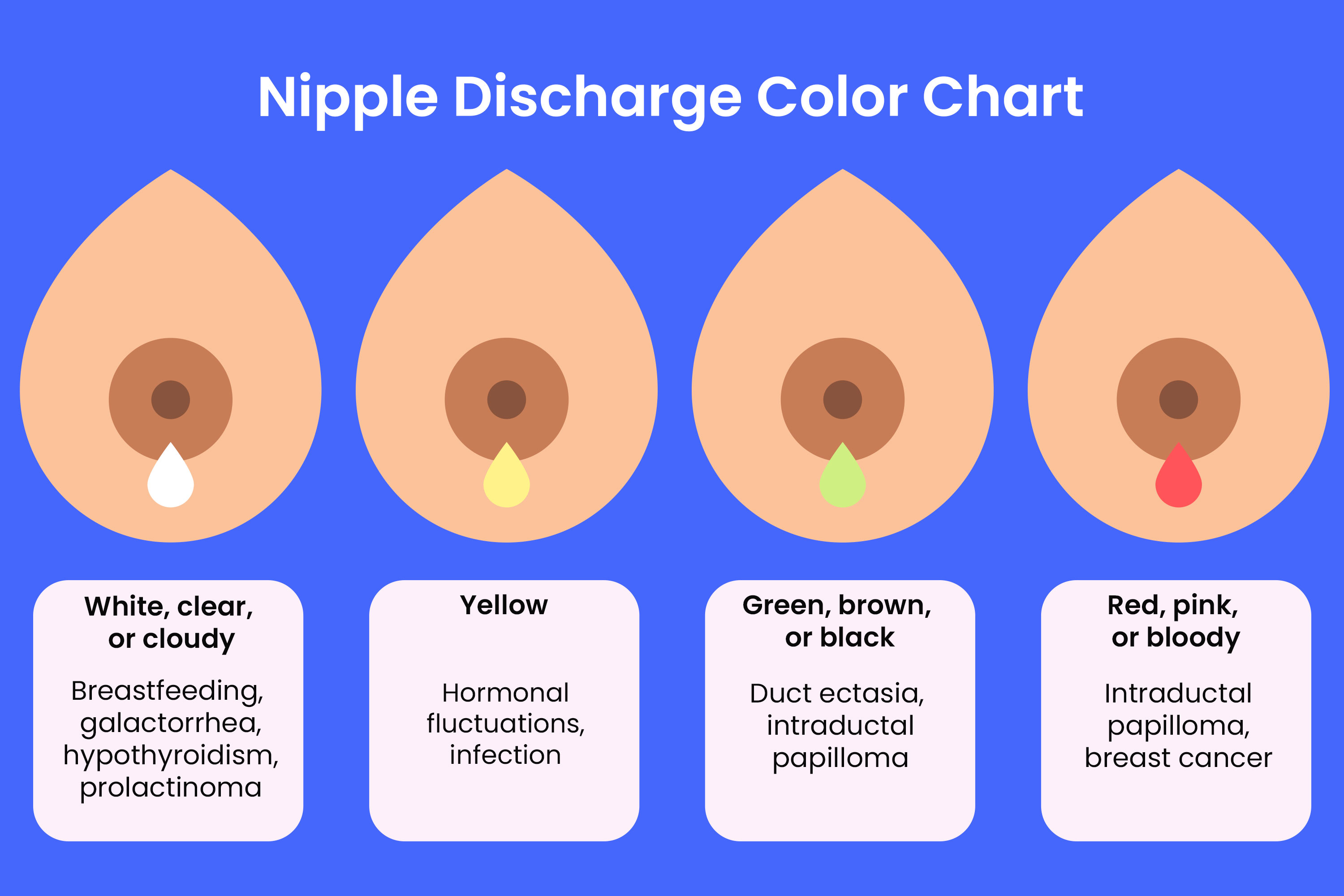
The nipple can provide early clues that something isn’t right.
Be aware of:
New nipple inversion (turning inward)
Nipple pulling to one side
Unexplained discharge (especially bloody or clear)
Scaling or crusting around the nipple
Persistent pain in one specific area
Some nipple discharge can be normal, particularly during pregnancy or breastfeeding. However, spontaneous discharge—especially from only one breast and without squeezing—should be evaluated.
Changes in the nipple can occur when underlying tissue shifts or when a tumor develops near milk ducts.
What About Pain?
Many people assume breast cancer always causes pain. In reality, early breast cancer is often painless.
Breast tenderness is more commonly related to hormonal changes, especially around menstruation. However, persistent, localized pain in one area that does not fluctuate with your cycle should be checked.
Who Is Most at Risk?
While any woman can develop breast cancer, certain factors increase risk:
Age (risk increases after 40)
Family history of breast cancer
Genetic mutations such as BRCA1 or BRCA2
Early menstruation or late menopause
Hormone replacement therapy
Obesity
Alcohol consumption
That said, many women diagnosed with breast cancer have no clear risk factors. That’s why awareness is important for everyone.
The Importance of Regular Screening
Recognizing symptoms is crucial—but routine screening often detects cancer before symptoms appear.
Mammograms can identify tumors that are too small to feel. Guidelines vary slightly depending on country and medical organization, but many recommend:
Starting regular mammograms between ages 40–50
Screening every 1–2 years thereafter
If you have a strong family history, your doctor may recommend earlier or additional screening methods such as MRI.
How to Become Familiar with Your Breasts
You don’t need to perform a rigid monthly self-exam if that feels overwhelming. Instead, aim for breast self-awareness.
Know:
How your breasts normally look
How they normally feel
What changes with your cycle
What is typical for you
The best time to check your breasts is a few days after your period ends, when they are least swollen and tender.
For postmenopausal women, choose the same date each month.
When to See a Doctor
Make an appointment if you notice:
A new lump or thickened area
Persistent swelling
Skin dimpling or redness
Nipple inversion or discharge
Unexplained, localized breast pain
Most changes turn out to be benign—but it’s always better to confirm.
Doctors may recommend:
Physical examination
Ultrasound
Mammogram
Biopsy (if necessary)
Early diagnosis dramatically improves survival rates and treatment options.
A Note on Fear and Empowerment
It’s easy to avoid checking because of fear. But awareness doesn’t create cancer—it creates opportunity for early action.
Medical advances in breast cancer treatment have improved significantly in recent decades. Many early-stage breast cancers are treated successfully with surgery, radiation, hormone therapy, or targeted treatments.
Knowledge is not something to dread. It’s something to carry with confidence.
Supporting the Women Around You
Breast cancer awareness isn’t just personal—it’s communal.
Encourage:
Friends to schedule screenings
Mothers and daughters to discuss family history
Open conversations about symptoms
Annual checkups
Breaking stigma and silence saves lives.
Final Thoughts
Breast cancer often begins quietly. The signs can be subtle. A small lump. A slight change in shape. A patch of skin that looks different.
These changes don’t always mean cancer—but they always deserve attention.
The four early signs every woman should remember are:
A new lump or thickening
Changes in size or shape
Skin changes or dimpling
Nipple changes or discharge
Your body speaks in whispers before it shouts. Listening early can make all the difference.
If something feels different, trust your instincts—and get it checked.
Early awareness is powerful. Early detection is lifesaving.


0 comments:
Enregistrer un commentaire